Evaluating Boss Smile: A Practical Guide to This Playful Marker Typeface
In the realm of display typography, the choice of font often dictates the emotional tone of a project before a single word is read. Boss Smile has emerged as a distinctive option for designers seeking a bold marker aesthetic infused with personality. Unlike standard hand-drawn scripts that rely on chaotic irregularity, Boss Smile offers a structured yet whimsical approach, characterized by its unique "smile twist" in the letterforms. For adults navigating the vast landscape of digital assets—whether for branding, editorial design, or personal creative projects—understanding where this typeface fits within your toolkit is essential. This evaluation explores the specific characteristics of Boss Smile, compares it to broader categories of marker fonts, and outlines the scenarios where it delivers the most value.
The Distinctive Character of Boss Smile
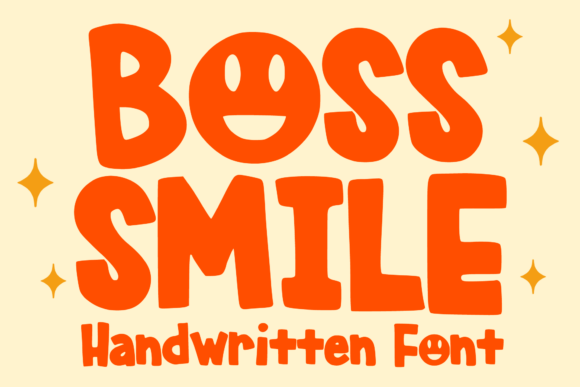
At its core, Boss Smile is a bold marker font designed to burst with fun and playful vibes. However, its utility extends beyond mere decoration. The defining feature of this typeface is the intentional curvature applied to certain strokes, creating a subtle smile effect that softens the otherwise heavy weight of the letters. This design choice transforms what could be an aggressive block style into something inviting and approachable.
When analyzing the anatomy of Boss Smile, one notices a balance between legibility and stylistic flair. The thick strokes mimic the look of a high-quality permanent marker, providing high contrast against backgrounds. Yet, the "smile twist" prevents the text from feeling rigid or industrial. This makes it a versatile display typography solution that promises to take creative projects to new heights without sacrificing readability at larger sizes. It is particularly effective when the goal is to inject charm into design ideas, offering a visual cue that suggests positivity and energy.
Comparing Boss Smile to Standard Marker Fonts
To make an informed decision, it is helpful to position Boss Smile against other common options in the marker and brush script categories. Generic marker fonts often fall into two extremes: they are either too messy, resembling unrefined scribbles that struggle with legibility, or too uniform, lacking the organic feel that defines the medium.
- Legibility vs. Chaos: Many free or low-cost marker fonts prioritize a "graffiti" aesthetic over clarity. In contrast, Boss Smile maintains a consistent baseline and x-height, making it suitable for headlines and short body copy where comprehension is key.
- Stylistic Consistency: While some display fonts introduce random variations in every instance of a letter (which can be distracting), Boss Smile uses a controlled variation system. The smile elements are integrated into the character design rather than appearing as erratic glitches.
- Weight and Impact: Compared to thin brush scripts, Boss Smile carries significant visual weight. This makes it superior for applications requiring immediate attention, such as logos or cover titles, where lighter fonts might get lost in busy layouts.
However, it is important to recognize tradeoffs. If a project requires a highly realistic simulation of actual handwriting with natural ink bleeds and pressure sensitivity, a vector-based brush engine or a photo-realistic texture font might be more appropriate. Boss Smile is a stylized interpretation of the marker look, not a photorealistic reproduction. Designers should evaluate whether they need the "idea" of a marker or the "reality" of one.
Ideal Use Cases and Application Scenarios
The versatility of Boss Smile allows it to function effectively across a wide range of mediums. Its bold nature ensures visibility, while its playful tone sets a specific mood. Below are practical examples of where this typeface excels:
Vibrant Stickers and Merchandise
For creators producing physical goods, Boss Smile is an excellent choice for vibrant stickers and stylish T-shirt prints. The thick lines hold up well during the printing process, resisting the loss of detail that often plagues thinner fonts on fabric. The inherent playfulness aligns perfectly with streetwear aesthetics and pop-culture merchandise, helping products stand out on crowded shelves or social media feeds.
Logos and Brand Identity
Impactful logos require a typeface that is memorable and scalable. Boss Smile's unique twist provides a hook—a visual element that distinguishes a brand name from competitors using standard sans-serifs. It is particularly well-suited for brands targeting younger demographics or those operating in entertainment, food service, or lifestyle sectors where approachability is a core value proposition.
Editorial and Publishing
In the context of book or magazine covers, the font acts as a powerful focal point. Captivating covers often rely on typography to convey genre and tone instantly. For children's literature, graphic novels, or lifestyle magazines focusing on creativity and humor, Boss Smile communicates the content's nature immediately. Similarly, engaging comic artworks and expressive cartoon sketches benefit from the font's alignment with illustrated styles, creating a cohesive visual language between text and image.
Digital and Everyday Typing
Beyond large-scale print, Boss Smile serves well in everyday typing needs for digital communications. Whether used in social media graphics, presentation headers, or casual invitations, it infuses an extra dash of cool into projects. It keeps designs fresh and vibrant, preventing the monotony of standard system fonts like Arial or Helvetica.
Limitations and Decision Factors
While Boss Smile offers significant advantages, it is not a universal solution. Understanding its limitations is crucial for maintaining professional standards in design.
Readability Constraints: Due to its decorative nature and heavy weight, Boss Smile is not suitable for long-form body text. Using it for paragraphs in a report, article, or website content will likely result in eye strain and poor readability. It is strictly a display font intended for headlines, titles, and short phrases.
Tone Appropriateness: The playful vibe and smile motif may clash with serious, somber, or highly corporate contexts. For financial reports, legal documents, or luxury fashion branding that relies on minimalism and elegance, Boss Smile would likely feel out of place. Designers must evaluate the emotional resonance of their project; if the message is urgent or grave, a neutral serif or sans-serif is the safer alternative.
Scalability Issues: While the font works well at large sizes, the intricate curves of the "smile" features may lose definition when scaled down significantly. On very small mobile screens or business cards, these details can blur, reducing the font's impact. Testing at various sizes is recommended before finalizing a layout.
Strategic Selection: When to Choose Boss Smile
Deciding to integrate Boss Smile into a project should be a deliberate choice based on specific design goals. You should consider this typeface when:
- You need to communicate energy, fun, or creativity immediately.
- The design requires a bold, high-contrast headline that stands out against complex backgrounds.
- You are working on projects involving illustration, comics, or youth-oriented content.
- You want to add a human touch to a digital interface without resorting to overly casual handwriting.
Conversely, you should look for alternatives if your project demands strict neutrality, extensive body text, or a sophisticated, understated aesthetic. In these cases, pairing Boss Smile with a clean, simple secondary font can sometimes bridge the gap, but often a different primary typeface is required entirely.
Conclusion on Typography Choices
Boss Smile represents a specific niche within the world of display typography: the intersection of boldness and playfulness. Its unique design elements, particularly the smile twist, offer a distinct advantage for projects aiming to capture attention and evoke positive emotions. By understanding its strengths in areas like merchandise, branding, and editorial covers, as well as its limitations regarding long-form text and formal contexts, designers can utilize it effectively.
Ultimately, the best font is the one that serves the communication goal of the project. Boss Smile is a powerful tool for those looking to infuse charm and keep their designs fresh and vibrant, provided it is applied where its personality enhances rather than distracts from the message. Evaluating it alongside other resources ensures that the final design is not only visually appealing but also strategically sound.