Diary Vibes: A Guide to Using This Distinctive Font Effectively
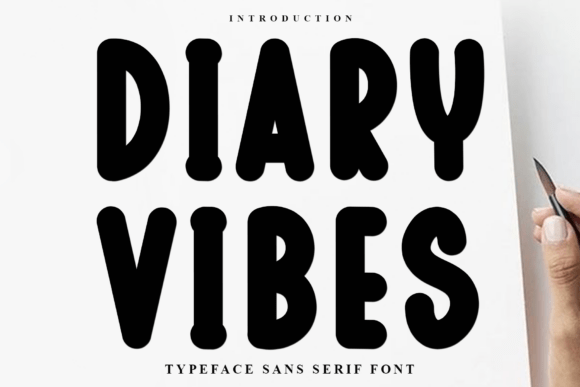
If you have spent time searching for a typeface that bridges the gap between handwritten authenticity and digital polish, you have likely encountered Diary Vibes. It is a beautiful, eye-catching font designed with a soft, unique touch that immediately sets it apart from generic script styles. Its distinctive strokes give it a special character, making it meaningful and versatile for future use. However, like any specialized design tool, simply downloading it does not guarantee a successful outcome. Many creators make the mistake of treating it as a universal solution without understanding its specific strengths or limitations.
Whether you are a professional designer, a small business owner crafting a brand identity, or a hobbyist creating personal stationery, the way you apply Diary Vibes can significantly impact your final project. This guide explores common pitfalls, clarifies misconceptions, and offers practical advice to help you get the most out of this natural font style.
Understanding the Character of Diary Vibes
Before integrating this font into your workflow, it is crucial to understand what makes it unique. Diary Vibes is not merely a standard cursive; it is engineered to mimic the organic flow of a personal journal entry while maintaining legibility. The "soft, unique touch" mentioned in its description refers to the subtle variations in stroke width and the gentle curves that avoid the rigid perfection of computer-generated text.
This quality makes it ideal for design projects, crafts, and other creative works where an emotional connection is required. For instance, using it for wedding invitations, product packaging for artisanal goods, or social media headers can evoke a sense of warmth and intimacy. However, assuming it fits every context is a frequent error. Because of its stylized nature, it should be used sparingly. Overusing it in body text can lead to reader fatigue, diminishing the very appeal you are trying to create.
Common Mistakes When Choosing and Applying the Font
One of the most overlooked details when selecting a font like Diary Vibes is the lack of consideration for pairing. Beginners often pair this expressive script with another decorative font, resulting in a chaotic visual hierarchy. To maintain clarity, it is better to contrast Diary Vibes with a clean, neutral sans-serif or a simple serif font for body copy. This balance ensures that the distinctive strokes of the main title stand out without competing for attention.
Another common misunderstanding involves scaling. Because the font features intricate details and varying line weights, shrinking it too small for print or mobile screens can cause the strokes to blur together. This affects usability and presentation, making the text difficult to read. Always test your design at the intended size before finalizing. If the characters lose their definition when reduced, consider increasing the font size or simplifying the layout.
Furthermore, many users overlook the importance of licensing and compatibility. While Diary Vibes is compatible with various applications, including Windows and open-source platforms, you must ensure you have the correct license for your specific use case. Using a personal license for commercial products can lead to legal issues and costly rebrands later. Always verify the terms of use before purchasing or downloading.
Practical Tips for Better Results
To avoid these pitfalls and maximize the potential of your designs, follow these practical steps:
- Test Legibility First: Before committing to a full design, write a short paragraph in Diary Vibes and view it on different devices. Ensure the "natural font style" remains clear and inviting.
- Limit Usage: Reserve this font for headlines, pull quotes, or short phrases. Let it enhance your designs rather than dominate them.
- Check Cross-Platform Compatibility: Since the font is available on Windows and open-source platforms, test how it renders across different operating systems if you are working on a collaborative project.
- Pair Strategically: Use a structured font for instructions or detailed information to complement the artistic flair of Diary Vibes.
Evaluating Quality and Cost Efficiency
When evaluating whether to invest in a premium font or stick with free alternatives, consider the long-term value. Diary Vibes offers a level of craftsmanship that generic fonts often lack. Its versatility allows it to adapt to a wide range of products, from digital marketing materials to physical crafts. However, the cost is only justified if you utilize its full character set effectively.
A frequent mistake is buying a font and only using a few characters, leaving the rest of the potential unused. Check the character map before purchasing. Does it include the ligatures, alternate glyphs, or special symbols you need? If you are planning a project that requires extensive customization, ensuring the font supports those needs will save you time and money in the long run.
Additionally, consider the audience. This font is appealing to many audiences across different artistic and creative fields, but it may not resonate with everyone. For a tech startup or a legal firm, the soft aesthetic might feel out of place. Understanding your target demographic is essential. If your audience values professionalism and strict adherence to traditional corporate standards, a more geometric typeface might be a safer choice. Conversely, for lifestyle brands, educators, or bloggers, the unique touch of Diary Vibes can significantly boost engagement.
Ensuring Technical Smoothness
Technical issues can derail even the best design concepts. One area where creators often stumble is file management. After downloading, ensure the font files are correctly installed on your system. On Windows, this usually involves right-clicking the file and selecting "Install," while open-source platforms may require dragging the file into a specific directory or using a package manager.
If the font does not appear in your application's list, check for conflicts with similarly named files or corrupted downloads. Re-downloading from a trusted source can resolve these issues. Also, remember that embedding fonts in PDFs or web pages requires specific settings to ensure they display correctly for all viewers. Failing to embed properly can result in the font being replaced by a default system font, ruining the visual consistency of your work.
Making the Right Decision for Your Project
Ultimately, the decision to use Diary Vibes should be driven by the goals of your project. Ask yourself: Does this font communicate the message I want to convey? Will it improve the user experience or just add decoration? By answering these questions honestly, you can avoid the trap of choosing a font based solely on aesthetics.
This natural font style is ideal for enhancing designs, but it requires thoughtful application. When used correctly, it brings a special character to your work, making it memorable and engaging. Whether you are a freelancer looking to diversify your portfolio or a small business owner aiming to connect with customers on a deeper level, taking the time to understand the nuances of Diary Vibes will pay off.
By avoiding common mistakes, checking compatibility, and focusing on strategic placement, you can leverage the full potential of this versatile typeface. Remember, good design is not just about picking a pretty font; it is about making choices that support communication and functionality. With careful planning and a clear vision, Diary Vibes can become a powerful asset in your creative toolkit.