Smile October: A Distinctive Font for Meaningful Design
In the crowded landscape of digital typography, finding a typeface that balances personality with professionalism is often more challenging than it appears. Smile October emerges as a compelling solution for designers and creators seeking a soft, unique touch without sacrificing legibility. Its distinctive strokes offer a special character that feels both natural and intentional, making it a versatile asset for future design projects. Whether you are crafting handmade goods, designing marketing materials, or building a brand identity, this font provides the visual warmth needed to connect with audiences across various artistic fields.
However, integrating a new typeface into your workflow requires more than just downloading a file. Many creators overlook the nuances of how specific fonts interact with different media, platforms, and audiences. Understanding the true potential of Smile October, while avoiding common pitfalls in selection and application, ensures your final product resonates effectively rather than falling flat due to poor typographic choices.
Understanding the Character of Smile October
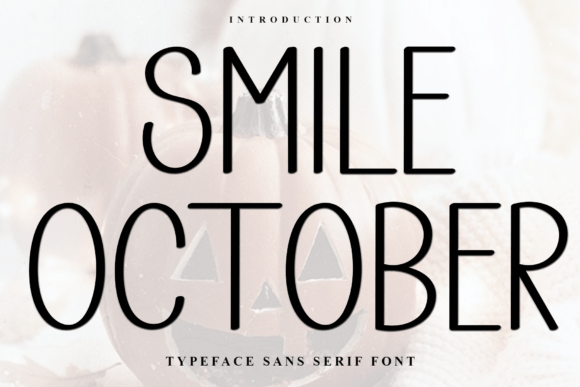
At its core, Smile October is designed to evoke a sense of approachability and creativity. The "soft" quality mentioned in its description refers to the rounded terminals and gentle curves that define its structure. Unlike rigid, geometric sans-serifs that can feel cold or overly corporate, this font style brings a human element to text. It is particularly effective for projects where emotional connection is paramount, such as lifestyle blogs, children's products, wellness brands, or community-focused campaigns.
The versatility of Smile October extends beyond its aesthetic appeal. Because it is compatible with various applications, including Windows and open-source platforms, it removes many of the technical barriers that often plague creative workflows. This cross-platform compatibility means you can start a project on one device and finish it on another without worrying about missing glyphs or rendering errors. For freelancers and small business owners who juggle multiple tools, this reliability is a significant advantage.
Common Mistakes When Selecting Unique Fonts
Despite its strengths, using a distinctive font like Smile October comes with risks if not applied thoughtfully. One of the most frequent errors creators make is assuming that a "unique" font automatically improves a design. In reality, uniqueness must serve a purpose. If the distinct strokes of the font distract from the message or reduce readability, the design fails its primary function: communication.
Overusing Decorative Elements
Many beginners fall into the trap of applying decorative fonts to large blocks of body text. While Smile October has a beautiful character, its intricate details can become visually noisy when stretched across paragraphs. This leads to reader fatigue and reduces the overall efficiency of information transfer. Instead, reserve this font for headlines, logos, pull quotes, or short calls to action where its personality can shine without overwhelming the viewer.
Ignoring Context and Audience
Another oversight is failing to consider the context in which the font will appear. A soft, friendly typeface might be perfect for a craft fair flyer but could undermine the authority of a legal document or a serious financial report. Before committing to Smile October, ask yourself if the tone matches the subject matter. Misalignment between the font's mood and the content's gravity can confuse your audience and dilute your brand's credibility.
Technical Pitfalls and Compatibility Checks
Beyond aesthetics, technical execution plays a crucial role in the success of any design project. Even though Smile October is described as compatible with major operating systems, users often encounter issues stemming from improper installation or unsupported software versions.
- Licensing Confusion: Many free or low-cost fonts come with restrictive licenses that prohibit commercial use. Before purchasing or downloading Smile October for a client project or product packaging, verify the license terms. Using a font without the proper rights can lead to costly legal disputes and force you to redesign entire campaigns.
- Web vs. Print Rendering: Fonts often look different on a screen compared to printed paper. The soft strokes of this font may appear crisp on a high-resolution monitor but lose definition on a low-quality print run. Always test your designs at 100% zoom and request physical proofs before mass production.
- Open-Source Limitations: While the font works on open-source platforms, some older versions of design software may not support all OpenType features. Ensure your software is up to date to access the full range of characters and stylistic sets included in the font package.
Strategic Application for Better Results
To maximize the impact of Smile October, adopt a strategic approach to its implementation. Start by pairing it with a neutral, highly readable sans-serif or serif font for body copy. This contrast allows the unique character of the headline font to stand out while maintaining overall readability. For example, pair the playful headlines of Smile October with a clean, minimal font like Helvetica or Roboto for a balanced, professional look.
Testing Across Devices
Since your audience consumes content on everything from smartphones to desktops, test how the font scales. Small text sizes can cause the delicate strokes of Smile October to blur or disappear on mobile screens. Adjust your leading (line spacing) and tracking (letter spacing) to ensure clarity at various sizes. A little extra white space around the letters can significantly improve legibility and give the design a more premium feel.
Evaluating Color and Contrast
The soft nature of the font also interacts differently with background colors. Light gray text on a white background might work for a bold, blocky font, but the subtle curves of Smile October require higher contrast to remain visible. Avoid placing light-colored instances of this font against busy patterns or similarly colored backgrounds. High contrast ensures accessibility and guarantees that your message is received clearly by everyone, regardless of their vision capabilities.
Final Considerations Before You Decide
Before integrating Smile October into your next project, take a moment to evaluate your specific needs. Does the font align with your brand guidelines? Is the license suitable for your intended use? Have you tested it in the actual environment where it will be viewed? By addressing these questions proactively, you avoid the frustration of having to redo work later.
Choosing the right typography is an investment in your brand's perception. Smile October offers a wonderful opportunity to add warmth and distinctiveness to your creative works, provided it is used with intention and care. When applied correctly, it enhances designs, engages diverse audiences, and elevates the overall quality of your communication. Take the time to explore its features, understand its limitations, and apply it where it truly adds value. Your audience will notice the difference.