Gritty Distressed: A Practical Guide to Evaluating the Typeface for Your Design Projects
In the realm of digital typography, there is a persistent tension between pristine perfection and organic imperfection. While modern web design often favors clean lines and geometric precision, many creative projects require a texture that feels grounded in history and physical reality. The Gritty Distressed font family addresses this need by mimicking the tactile qualities of old-school rubber stamps and imperfect print processes. For designers, marketers, and crafters aged 20 to 50 who are evaluating tools for their next project, understanding where this typeface fits—and where it does not—is essential for making informed decisions.
This guide explores the characteristics of Gritty Distressed, compares it to alternative stylistic approaches, and outlines the specific scenarios where its unique texture adds value versus when it might hinder communication.
Defining the Aesthetic: What Makes Gritty Distressed Distinct?
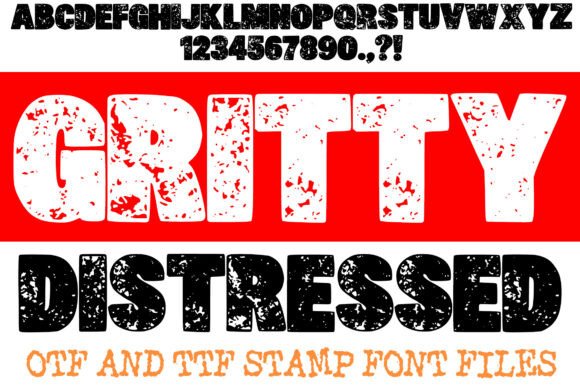
The core appeal of Gritty Distressed lies in its simulation of physical wear. Unlike standard sans-serif or serif fonts that prioritize optical clarity and uniformity, this typeface introduces deliberate irregularities. Each character is constructed with a bold, solid structure but is overlaid with a rich, gritty texture that mimics worn edges and ink imperfections found in traditional stamping.
When evaluating this font, it is important to recognize that it is not merely a "dirty" version of a standard typeface. The design intent is to capture the raw charm of analog printing methods. The result is a visual language that suggests authenticity, history, and a handcrafted approach. The texture is applied consistently enough to maintain legibility while disrupting the sterile feel of vector-based digital art. This makes it a statement piece rather than a background element, designed to inject immediate character into headlines, logos, and packaging.
Technical Specifications and Compatibility
From a technical standpoint, the availability of both OTF (OpenType) and TTF (TrueType) formats ensures broad compatibility across major design software and operating systems. This dual-format support is a critical factor for professionals who work across different platforms, from desktop publishing applications like Adobe InDesign to web design tools. However, the heavy texture inherent in the design means that file sizes may be slightly larger than minimalist counterparts, though this is rarely a bottleneck for typical graphic projects.
Comparing Gritty Distressed to Alternative Typography Styles
To determine if Gritty Distressed is the right tool for a specific job, it must be weighed against other common typographic categories. Designers often face a choice between distressed textures, grunge styles, vintage serifs, and clean modern sans-serifs. Understanding the nuances between these options helps avoid aesthetic mismatches.
Distressed vs. Grunge
While often used interchangeably, "distressed" and "grunge" represent different ends of the spectrum. Grunge typography typically leans toward chaos, featuring splatters, drips, and aggressive fragmentation that can sometimes compromise readability. In contrast, Gritty Distressed maintains a strong structural integrity. It offers an industrial or rustic vibe without sacrificing the ability to read the text quickly. If a project requires a sense of decay or rebellion, a pure grunge font might be more appropriate. However, if the goal is a rugged yet professional look—such as for a brewery label or a workshop sign—Gritty Distressed provides a more balanced solution.
Distressed vs. Vintage Serifs
Vintage serif fonts often evoke history through their letterforms, which mimic early typesetting machines. These fonts rely on shape rather than texture to convey age. Gritty Distressed, however, relies heavily on surface texture. A vintage serif might look elegant and refined, suitable for a high-end heritage brand. Gritty Distressed feels more utilitarian and working-class. It is less about elegance and more about durability and grit. When comparing the two, consider the emotional tone you wish to set: sophisticated nostalgia or raw, honest craftsmanship.
Distressed vs. Clean Modern Sans-Serif
Modern sans-serif fonts are the default for digital interfaces due to their high readability on screens. They offer a neutral canvas that does not distract from content. Gritty Distressed is inherently distracting in a positive way; it draws the eye. Using a clean sans-serif for body text alongside Gritty Distressed for headlines is a common and effective strategy. Attempting to use Gritty Distressed for long paragraphs of body copy, however, is generally ill-advised. The texture creates visual noise that can fatigue the reader's eyes over extended reading periods.
Evaluating Strengths and Tradeoffs
Every design resource comes with tradeoffs. Before integrating Gritty Distressed into a workflow, it is helpful to weigh its specific strengths against its limitations.
Key Strengths
- Immediate Visual Impact: The font commands attention instantly, making it ideal for headlines and call-to-action buttons where visibility is paramount.
- Authenticity Signal: In an era of hyper-polished digital assets, the imperfect texture signals honesty and human involvement, which resonates well with audiences seeking artisanal or DIY products.
- Versatility in Context: It adapts well to various themes, including industrial, retro, western, and rustic aesthetics, allowing for flexibility in branding.
- Readability at Scale: Despite the texture, the bold weight ensures that the characters remain legible even at smaller sizes compared to finer distressed fonts.
Potential Limitations
- Context Sensitivity: The font carries a heavy emotional weight. It may feel out of place in contexts requiring trust, sterility, or corporate formality, such as medical reports or financial dashboards.
- Accessibility Concerns: For users with visual impairments, the textured edges can reduce contrast and clarity. It should be avoided for primary navigation or critical information in accessible web designs.
- Overuse Risks: Because the style is so distinct, using it too frequently within a single project can make the design feel cluttered or dated. It works best as an accent or headline font.
Best-Fit Situations and Decision Factors
Deciding whether to use Gritty Distressed depends largely on the target audience and the medium of delivery. Here are practical scenarios where this font excels, alongside situations where alternatives might be superior.
When Gritty Distressed Is the Right Choice
Consider selecting this typeface when your project involves:
- Artisanal Product Packaging: Labels for small-batch coffee, craft beer, handmade soaps, or local food products benefit from the "hand-stamped" look, reinforcing the idea of quality and care.
- Rustic Branding and Logos: Businesses with a connection to nature, construction, woodworking, or outdoor activities can leverage the rugged aesthetic to align with their industry identity.
- Vintage-Inspired Posters and Events: Concert flyers, festival banners, or retro-themed marketing campaigns often require a sense of history that clean fonts cannot provide.
- Social Media Graphics: In a feed dominated by polished photography, a text overlay with Gritty Distressed can break the pattern and stop the scroll.
When to Choose an Alternative
Conversely, you should likely explore other options if:
- Legibility is Critical: For safety signage, legal disclaimers, or instructional manuals, clarity must never be compromised by texture.
- The Brand is High-Tech or Minimalist: Startups in the fintech, AI, or biotech sectors usually benefit from sleek, futuristic, or neutral typography that conveys innovation rather than history.
- Long-Form Content: As mentioned, body text requires a smooth reading experience. Pairing Gritty Distressed with a highly readable serif or sans-serif for the main content is a better approach than using the distressed font for everything.
Practical Application and Integration
Integrating Gritty Distressed into a design system requires thoughtful pairing. Because the font is visually loud, it needs quiet companions to create balance. A common successful formula involves using Gritty Distressed for the primary headline and a simple, unadorned sans-serif for subheads and body copy. This contrast allows the texture to shine without overwhelming the viewer.
Color choices also play a significant role. Since the font already contains internal variation through its texture, using flat, solid colors often yields the best results. Gradient fills or complex patterns behind the text can clash with the distressed effect, creating a muddy appearance. High-contrast combinations, such as white text on a dark background or black on kraft paper tones, tend to enhance the vintage appeal.
Conclusion: Making an Informed Typographic Choice
The decision to use Gritty Distressed Stamp Font is ultimately about the story you want your design to tell. It is a powerful tool for conveying authenticity, history, and a rugged, handcrafted spirit. However, like any specialized tool, it has a specific place in the designer's toolkit. It is not a universal solution for all text needs but rather a strategic asset for specific moments where texture and character are required.
By understanding its distinction from grunge and vintage serif styles, acknowledging its limitations regarding accessibility and body text, and recognizing its ideal use cases in packaging and branding, you can evaluate whether it fits your project goals. Whether you are crafting a logo for a new craft brewery or designing a poster for a retro music festival, Gritty Distressed offers a unique voice. Used with intention and paired correctly, it transforms digital designs into something that feels tangible, genuine, and full of life.