Evaluating Chalk Perfect: A Practical Guide to Authentic Handwritten Typography
In the realm of digital typography, the pursuit of authenticity often leads designers and creators back to analog roots. Chalk Perfect represents a specific niche within this landscape, offering a hand-drawn display font inspired by the tactile reality of writing on a chalkboard. For professionals aged 20 to 50 who are tasked with creating classroom posters, café menus, or rustic signage, understanding the nuances of this typeface is essential. Unlike generic script fonts that simulate handwriting through algorithmic smoothing, Chalk Perfect leverages textured strokes and irregularities to mimic the friction and grain of real chalk against slate. This distinction is not merely aesthetic; it fundamentally alters how a message is perceived by an audience.
When evaluating design resources, it is crucial to distinguish between a font that looks "handwritten" and one that feels "handmade." Chalk Perfect falls into the latter category. Its value proposition lies in its ability to convey warmth, approachability, and a sense of human presence. However, like any specialized tool, it comes with specific strengths, tradeoffs, and limitations. Before integrating this typeface into a project, it is necessary to assess whether its stylistic attributes align with your communication goals or if alternative approaches might serve better.
The Distinctive Characteristics of Chalk Perfect
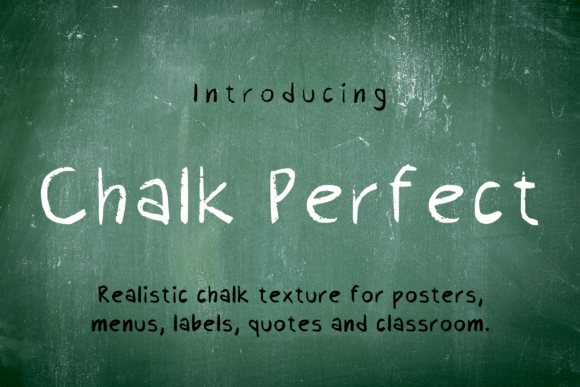
The primary differentiator of Chalk Perfect is its texture. Most standard digital fonts rely on vector paths that are perfectly smooth. While this ensures clarity at any size, it often results in a sterile appearance that lacks character. In contrast, Chalk Perfect incorporates noise, grit, and variable stroke widths that replicate the physical act of drawing with chalk. The edges of the letters are not uniform; they fray slightly, mimicking the way chalk dust settles on a board. This texture adds depth and visual interest, making the text feel organic rather than manufactured.
Beyond texture, the font's geometry reflects natural human movement. When a person writes quickly or casually on a chalkboard, lines rarely remain perfectly straight, and curves vary in tension. Chalk Perfect captures this variability. The baseline may shift subtly, and letter spacing (kerning) often includes intentional irregularities that prevent the text from looking robotic. These features contribute to a "cozy" and "playful" atmosphere, which is why the font is frequently associated with creative craft projects and informal educational environments.
However, this commitment to realism introduces a tradeoff regarding legibility. Because the font prioritizes the simulation of a medium over typographic perfection, it is best suited for display purposes rather than body copy. Using Chalk Perfect for long paragraphs of text can strain the reader's eyes, as the brain must work harder to decipher the irregular shapes. Therefore, its optimal application is in headlines, short announcements, menu items, and decorative elements where impact and mood take precedence over dense information delivery.
Comparing Chalk Perfect to Alternative Typography Styles
When considering options for a project requiring a handwritten feel, Chalk Perfect competes with several other categories of typefaces. Understanding these alternatives helps clarify when this specific font is the right choice and when another direction is preferable.
Smooth Script Fonts: Many popular script fonts offer a clean, flowing aesthetic that resembles calligraphy or penmanship. These fonts are ideal for wedding invitations, luxury branding, or formal correspondence where elegance is paramount. Compared to these, Chalk Perfect is significantly more casual and rugged. If a brand aims to project sophistication or high-end refinement, a smooth script is likely a better fit. Chalk Perfect, conversely, excels in contexts where informality and accessibility are desired, such as a neighborhood coffee shop or a local art studio.
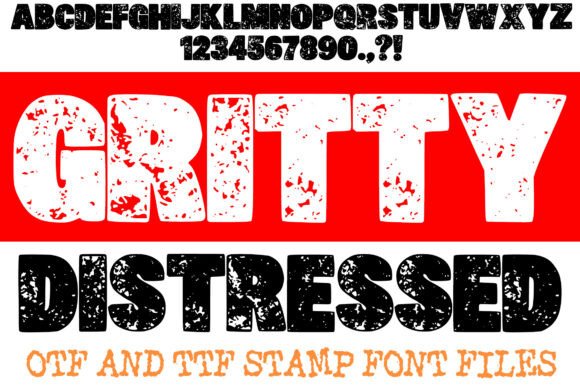
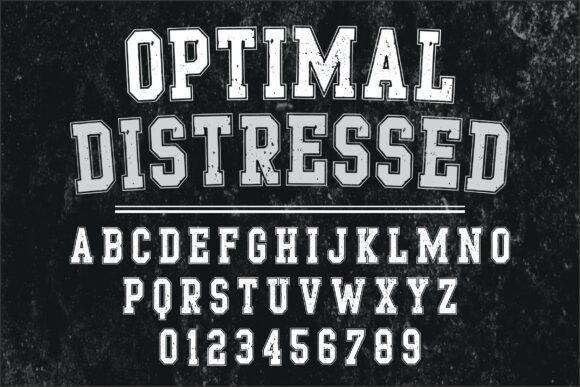
Distressed and Grunge Textures: Another category includes fonts designed with heavy distress, scratches, and grime to evoke age or industrial wear. While Chalk Perfect shares the characteristic of having imperfect edges, its texture is specifically tied to the medium of chalk. It avoids the aggressive, dirty look of grunge fonts. Instead, it maintains a level of cleanliness that suggests a freshly written message on a well-maintained board. For projects requiring a vintage or worn-out aesthetic without the specific association of a classroom or café, a dedicated grunge font might be more appropriate.
Digital Vector Illustrations: Some designers opt to create custom lettering using vector illustration tools rather than relying on a pre-made font. This approach offers total control over every curve and texture. While this provides maximum flexibility, it is time-consuming and requires advanced technical skills. Chalk Perfect serves as a practical middle ground, offering the look of custom hand-lettering with the efficiency of a standard font file. For tight deadlines or clients who need quick iterations, Chalk Perfect provides a professional result without the overhead of custom illustration.
Strengths and Tradeoffs in Real-World Applications
The utility of Chalk Perfect is highly context-dependent. Its strengths are most evident in environments that benefit from a sense of community and human touch. In educational settings, for example, the font reinforces the traditional image of learning, making classroom posters and bulletin boards feel inviting to students. Similarly, in the hospitality industry, particularly for cafés and bakeries, the font signals freshness and daily updates, as if the menu was just written by the owner.
However, there are clear limitations to consider. The textured nature of the font can cause issues when scaled down. At small sizes, the grit and irregularities can blur together, rendering the text illegible. This makes Chalk Perfect unsuitable for fine print, legal disclaimers, or detailed instructions. Additionally, because the font relies heavily on its texture to convey meaning, it may lose impact when printed on low-quality paper or viewed on screens with poor resolution. Designers must ensure that the output medium supports the font's intricate details.
Another consideration is versatility. While Chalk Perfect is excellent for rustic, cozy, or playful themes, it may clash with modern, minimalist, or corporate aesthetics. Attempting to use it in a sleek tech startup presentation or a high-fashion editorial could create a tonal dissonance that undermines the brand's identity. The font carries strong associations with tradition and craft; if those values do not align with the project's core message, the font will feel out of place.
Decision Factors for Selecting Chalk Perfect
- Target Audience: Does the audience respond better to warm, informal communication or structured, formal messaging? Chalk Perfect leans heavily toward the former.
- Medium and Scale: Will the text be large enough to appreciate the texture? Avoid using the font for small body text.
- Brand Identity: Does the brand value authenticity, craftsmanship, and approachability? If so, this font supports those values effectively.
- Production Constraints: Is there time for custom lettering? If not, Chalk Perfect offers a high-quality shortcut for achieving a handmade look.
When to Choose Alternatives Over Chalk Perfect
Despite its charm, Chalk Perfect is not a universal solution. There are scenarios where opting for a different typeface is the more strategic decision. If a project requires strict adherence to corporate guidelines that mandate a sans-serif or serif font for consistency, introducing a display font like Chalk Perfect could violate brand standards. Similarly, for projects targeting a global audience where readability across different languages and cultural contexts is critical, the stylized nature of this font might introduce barriers.
Furthermore, if the goal is to convey urgency or authority, a bold, geometric sans-serif is often more effective. The playful and relaxed nature of Chalk Perfect can inadvertently soften a message that needs to be taken seriously. For instance, safety warnings, emergency notices, or financial reports require clarity and gravity that this font cannot provide. In these cases, the priority should be functional legibility over aesthetic charm.
Designers should also consider the longevity of the trend. While the "rustic" and "handmade" aesthetic has remained popular, design trends evolve. If a brand is investing in a long-term identity, it is worth asking whether the specific style of Chalk Perfect will remain relevant in five or ten years. Alternatively, pairing it with a timeless neutral font can help balance the trendy element with enduring stability.
Practical Integration Strategies
To maximize the effectiveness of Chalk Perfect, it is often best used in combination with other typefaces. Pairing it with a clean, simple sans-serif for body text creates a harmonious contrast. The crispness of the secondary font allows the viewer to rest their eyes while still enjoying the personality of the headline. This approach leverages the strengths of both styles: the emotional appeal of Chalk Perfect and the functional clarity of a standard font.
Color choices also play a significant role. Since the font mimics chalk, white or off-white colors on dark backgrounds naturally enhance the illusion. However, experimenting with pastel colors on muted backgrounds can yield unique results suitable for craft projects or children's materials. The key is to maintain sufficient contrast to ensure the textured strokes remain visible and distinct.
Ultimately, the decision to use Chalk Perfect should be driven by the specific narrative of the project. It is a powerful tool for evoking nostalgia, creativity, and human connection. By understanding its capabilities and limitations, designers can make informed choices that elevate their work without falling into the trap of using a style simply because it is visually appealing. Whether for a café menu, a classroom display, or a creative poster, Chalk Perfect offers a genuine alternative to sterile digital typography, provided it is applied with intention and care.