Frisco Press: Reviving the Art of Authenticity in Modern Branding
In an era dominated by sleek, vector-perfect digital interfaces and minimalist sans-serif typefaces, a counter-movement is gaining significant traction among designers, entrepreneurs, and brand strategists. This shift is not merely aesthetic; it is a psychological response to a hyper-digitized world that craves texture, history, and tangible proof of human effort. At the forefront of this resurgence stands Frisco Press, a vintage handmade display font that bridges the gap between traditional craftsmanship and contemporary design needs. More than just a collection of glyphs, Frisco Press represents a strategic tool for brands seeking to communicate heritage, ruggedness, and unapologetic authenticity.
The Anatomy of a Handcrafted Typeface
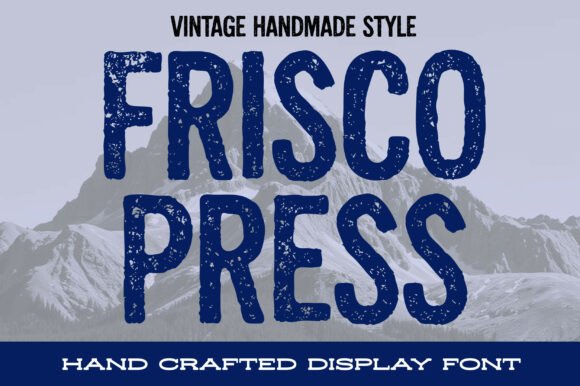
To understand why Frisco Press has captured the attention of the creative community, one must first appreciate what distinguishes it from standard digital fonts. Unlike geometric typefaces generated by algorithms with mathematical precision, Frisco Press is designed to mimic the imperfections of traditional letterpress printing. It features natural textures, uneven edges, and a weathered appearance that suggests age and use. These are not bugs in the system; they are intentional features that evoke the tactile sensation of ink pressed into paper.
This "distressed" quality is the hallmark of the font. When applied to a logo or a headline, the irregular strokes and subtle noise create a visual rhythm that feels organic rather than manufactured. For professionals working in branding, this distinction is critical. In a marketplace saturated with polished, sterile visuals, the rough-hewn character of Frisco Press immediately signals that there is a human hand behind the creation. It suggests that the product or service was built with care, perhaps even struggle, resonating deeply with consumers who value story over speed.
Aligning with the "Rustic Chic" and Heritage Trends
The rise of Frisco Press coincides with broader industry trends favoring "rustic chic," artisanal goods, and heritage branding. We are witnessing a cultural pivot where consumers are increasingly skeptical of mass production and corporate polish. Instead, they gravitate toward brands that feel local, established, and grounded. This is evident across multiple sectors, from craft breweries and boutique coffee roasters to outdoor adventure gear and sustainable fashion labels.
Marketers and business owners are recognizing that their audience's preferences have shifted. The modern consumer often seeks an experience rather than just a transaction. They want to feel connected to the origin of a product. Frisco Press serves as a visual shorthand for these values. Its rugged charm aligns perfectly with the narrative of outdoor exploration, suggesting durability and reliability. Similarly, its vintage aesthetic supports the "farm-to-table" or "small-batch" narratives prevalent in the food and beverage industry. By utilizing this typeface, brands can instantly tap into a collective nostalgia for a time when things were made to last and every item had a unique fingerprint.
Why Imperfection is the New Standard
There is a profound reason why people are paying attention to fonts like Frisco Press. It stems from a changing expectation regarding authenticity. In the past, perfection was the goal; today, perfection is often viewed as suspicious or artificial. The "uncanny valley" of design—where something looks almost real but lacks soul—is being rejected in favor of the imperfectly beautiful. The weathered look of Frisco Press avoids this trap entirely. It admits its own history, inviting the viewer to trust the brand because it does not try to hide its flaws.
This trend extends beyond aesthetics into workflow and expectations. Designers are no longer just arranging pixels; they are curating moods and building emotional connections. The versatility of Frisco Press allows creatives to build compositions that feel bold and strong without appearing aggressive. Whether used for a large-scale poster or a small packaging label, the font maintains its integrity, ensuring the message feels personal and direct.
Practical Applications Across Industries
The utility of Frisco Press extends far beyond simple decoration. It is a functional asset that solves specific communication challenges for various industries. Let us explore how different professionals are integrating this typeface into their workflows to achieve distinct business goals.
- Logos and Identity Systems: For startups aiming to establish immediate credibility, a logo using Frisco Press conveys stability and tradition. It works exceptionally well for companies in the construction, automotive, or outdoor sectors where strength is a primary selling point. The uneven edges prevent the logo from feeling too rigid, adding a layer of approachability.
- Packaging Design: In the competitive retail landscape, shelf presence is paramount. Packaging that utilizes the distressed texture of Frisco Press stands out against competitors using clean, flat designs. It suggests premium quality and artisanal origins, justifying higher price points for products like specialty foods, spirits, or handmade soaps.
- Apparel and Merchandise: Screen printers and apparel designers frequently turn to display fonts that translate well onto fabric. The bold nature of Frisco Press ensures legibility even on textured materials like denim or canvas. It is ideal for creating streetwear that pays homage to vintage Americana or workwear styles.
- Digital Campaigns and Posters: Even in digital spaces, the need for texture remains. Event posters, social media graphics, and website headers benefit from the high contrast and personality of this font. It breaks the monotony of digital scrolling, grabbing attention through its tactile simulation.
Adapting Workflows for the Modern Creator
Integrating a highly stylized font like Frisco Press requires a thoughtful approach to the design process. While the font provides the character, the designer must ensure it complements the overall composition. Because Frisco Press is a display font, it is best used for headlines, titles, and short phrases rather than body copy. Overusing such a heavy, textured typeface can lead to visual fatigue and reduced readability.
Professionals are finding success by pairing Frisco Press with clean, neutral sans-serif or serif fonts for supporting text. This contrast creates a hierarchy that guides the reader's eye while maintaining the rugged theme. Furthermore, color choices play a pivotal role. Earth tones, deep greens, burnt oranges, and muted blacks enhance the vintage feel, whereas neon colors might clash with the font's inherent heritage vibe.
From a technical standpoint, the font's robust structure makes it adaptable to various file formats and rendering engines, ensuring consistency across print and web. This adaptability is crucial for freelancers and agencies managing multi-channel campaigns. The ability to maintain the "handmade" look across a billboard and a mobile screen demonstrates the font's engineering quality beneath its rustic surface.
The Future of Authentic Branding
As we look toward the future of design and marketing, the demand for authentic, human-centric visuals will only intensify. As artificial intelligence generates more content, the value of genuine human craftsmanship becomes a premium asset. Fonts like Frisco Press are not just passing fads; they are essential tools for brands that wish to differentiate themselves in an increasingly automated world.
The trajectory of the market suggests that consumers will continue to reward transparency and character. Brands that leverage the rugged charm of vintage typography will likely see deeper engagement and loyalty. The font acts as a promise—a visual contract that the brand values quality, history, and the human touch. Whether you are an entrepreneur launching a new venture or a marketer rebranding an established company, understanding the power of typefaces like Frisco Press is key to telling your story effectively.
Ultimately, the choice of typeface is a strategic decision. It defines the voice of your brand before a single word is read. By embracing the bold, handcrafted character of Frisco Press, creators can ensure their messages resonate with strength and sincerity. In a world of endless digital noise, the ability to stand out with a voice that feels real, weathered, and timeless is the ultimate competitive advantage.