Cantinero: A Vintage Western Display Font for Bold Branding
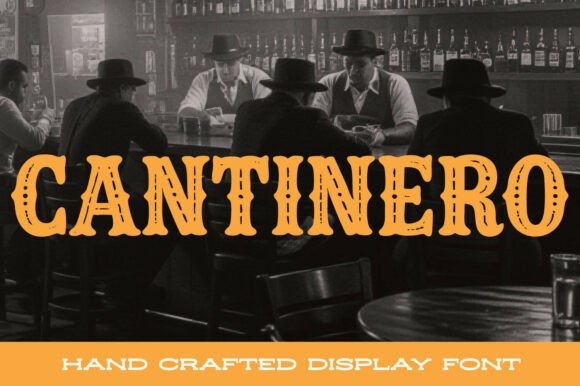
In the crowded landscape of digital design and print media, a font does more than just convey words; it sets the tone, evokes emotion, and establishes an immediate visual identity. For businesses and creators looking to capture the rugged spirit of the American Southwest, Cantinero stands out as a distinctive solution. It is not merely a typeface but a visual narrative inspired by hand-painted cantina signs and sun-faded lettering found along desert highways. This vintage Western-style display font blends bold slab serifs with weathered edges, offering a rustic charm that feels both authentic and timeless.
Whether you are launching a new taco truck, designing a premium tequila label, or creating a festive menu for a summer event, the right typography can make or break your brand's first impression. Cantinero delivers flavor and attitude in every character, making it an essential tool for professionals who need their designs to stand out without shouting.
The Spirit of the Southwest in Typography
To understand why Cantinero resonates so deeply with designers and business owners, one must look at its origins. The font was crafted to mimic the aesthetic of old-world signage that has weathered decades of harsh desert sun and wind. Unlike modern, sterile sans-serif fonts that dominate corporate communications, Cantinero embraces imperfection. Its strokes vary slightly in weight, and its edges carry a subtle texture that suggests age and history.
This intentional "wear and tear" is what gives the font its character. It speaks to a sense of tradition, authenticity, and craftsmanship. In an era where consumers are increasingly skeptical of polished, mass-produced aesthetics, there is a growing appreciation for designs that feel handmade and genuine. Cantinero taps into this desire by bringing the warmth of a roadside diner or a family-owned winery directly onto the page or screen.
Key Characteristics That Define the Style
When evaluating a display font like Cantinero, specific design elements contribute to its overall impact. Understanding these traits helps in determining whether it fits your specific project needs.
- Bold Slab Serifs: The foundation of the font is its heavy, block-like serifs. These provide excellent legibility even at larger sizes and give the text a sturdy, grounded appearance.
- Weathered Edges: The irregular outlines simulate the effect of paint chipping away over time. This adds depth and prevents the text from looking flat or digital.
- Rustic Charm: The spacing and kerning are optimized to create a relaxed yet cohesive look, avoiding the rigid uniformity often seen in standard typefaces.
- Versatile Weight: While primarily a display font, its structure allows it to remain readable when used for headlines and subheadings, striking a balance between style and function.
These characteristics work together to create a visual hierarchy that draws the eye immediately. The boldness commands attention, while the texture invites the viewer to linger, exploring the details of the design.
Practical Applications Across Industries
The versatility of Cantinero extends far beyond simple novelty use. It is a powerful asset for various sectors where branding relies on storytelling and atmosphere. Here is how different professionals can leverage this font effectively.
Hospitality and Food Service
For restaurant owners, particularly those in the Mexican, Tex-Mex, or Southwestern cuisine space, Cantinero is a natural fit. Imagine a chalkboard menu outside a bustling taco truck or a neon sign above a local bar. The font instantly communicates the type of experience customers can expect: hearty, flavorful, and unpretentious. It works exceptionally well for logos, window decals, and promotional flyers. When paired with warm color palettes—think terracotta, sage green, and sunset orange—the font enhances the sensory appeal of the food being advertised.
Alcohol and Beverage Branding
The spirits industry places a high value on heritage and origin stories. Tequila, mezcal, and craft whiskey brands often utilize vintage aesthetics to signal quality and tradition. Cantinero is ideal for bottle labels, box packaging, and distillery signage. Its hand-painted look suggests a small-batch production process, appealing to connoisseurs who value artisanal methods over industrial efficiency. A label featuring this font tells a story of the agave fields and the aging barrels before the consumer even reads the description.
Digital Marketing and Content Creation
In the digital realm, where attention spans are short, visual impact is crucial. Bloggers, social media managers, and content creators can use Cantinero for featured images, YouTube thumbnails, and Instagram posts. It breaks through the noise of generic web fonts, making headlines pop. For instance, a travel blogger covering a road trip through Arizona or New Mexico could use the font for section headers to immerse readers in the location's vibe. Similarly, event planners promoting a fiesta or a country-themed wedding can use it in invitations and digital save-the-dates to set the mood immediately.
Educational and Creative Projects
Educators and hobbyists also find value in this typeface. History teachers creating materials about the Old West or cultural studies on the Southwest can use Cantinero to make presentations more engaging. For graphic design students, analyzing and implementing such a textured font offers a practical lesson in balancing readability with stylistic flair. It encourages experimentation with layering, blending modes, and background textures to achieve a cohesive final product.
Strategic Implementation and Considerations
While Cantinero is a robust choice for many projects, it is important to use it strategically. As a display font, it is best suited for headlines, logos, and short phrases rather than long blocks of body text. Using it for paragraphs can strain the reader's eyes due to the decorative nature of the characters and the varied stroke widths.
When integrating Cantinero into a design system, consider pairing it with a clean, neutral sans-serif font for body copy. This contrast ensures that the message remains clear while the display font provides the necessary thematic punch. Additionally, pay attention to color choices. Because the font already carries a "weathered" texture, using overly bright or neon colors might clash with its rustic intent. Earth tones and muted pastels often complement the font's inherent aesthetic better.
Another consideration is scalability. Ensure that the version of the font you download maintains its integrity across different mediums. A design that looks great on a large billboard might lose detail if shrunk down for a mobile app icon. Always test your mockups in various sizes before finalizing the assets.
Enhancing User Experience Through Typography
Ultimately, the goal of using a font like Cantinero is to enhance the user experience. Good typography guides the audience, creates emotional connections, and reinforces brand values. By choosing a font that aligns with your brand's narrative, you reduce cognitive load for the user; they instantly "get" what you are offering without needing extensive explanation. This efficiency in communication leads to higher engagement rates, better brand recall, and a more memorable interaction.
Whether you are a freelancer pitching a concept to a client or a business owner revamping your logo, taking the time to select the right typography is an investment in your brand's future. Cantinero offers a unique blend of history and modern utility, providing a fresh perspective on Western design. It proves that sometimes, the most effective way to move forward is to embrace the charm of the past.