Scorex: The Modern Condensed Sport Logo Font for High-Impact Branding
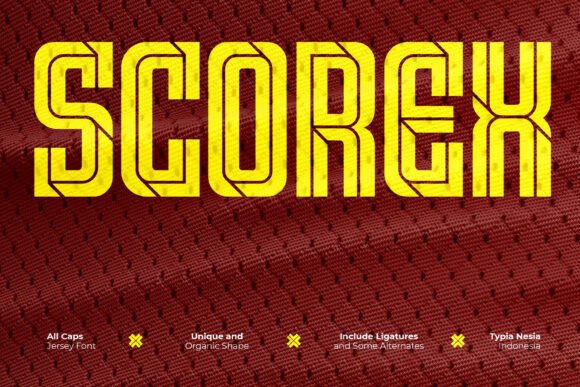
In the crowded landscape of digital and print design, a logo or headline often has less than a second to capture attention. This is where Scorex steps in. As a modern condensed sport logo font, it delivers a high-energy, competitive edge that generic typefaces simply cannot match. Its exceptionally bold and tight structure, built on an ultra-condensed geometric foundation, maximizes visual impact within minimal space. Whether you are branding a tech startup, designing a fitness poster, or creating vehicle decals for motocross events, Scorex provides the authoritative look needed to stand out.
However, powerful tools require careful handling. Many designers and business owners rush into using ultra-condensed fonts without understanding the nuances of legibility, spacing, and context. Using Scorex incorrectly can lead to cramped text, poor readability, and a disjointed brand identity. This guide explores how to leverage this display font effectively while avoiding common pitfalls that undermine your design goals.
Understanding the Power and Limits of Ultra-Condensed Typography
Scorex is designed to be a statement. Its geometric structure creates a sense of speed, strength, and modernity. It is ideal for headlines, logo designs, and short bursts of text where visual weight matters more than paragraph-length reading. When used correctly, it conveys intensity and authority instantly. But there is a frequent misunderstanding about what "condensed" means in practice. Some creators assume that because a font saves horizontal space, they can pack more words into a single line without consequence.
This approach often backfires. While Scorex allows you to fit more characters across a page, squeezing too much text together destroys the rhythm of the design. The tightness that gives the font its aggressive character can quickly turn into clutter if not managed with precision. The result is a design that looks messy rather than dynamic, confusing the viewer and diluting the message.
The Trap of Overcrowding Headlines
A common mistake when working with Scorex is attempting to use it for long sentences or complex taglines. Because the letters are so narrow, the eye struggles to track across a long string of text. This is particularly problematic in mobile interfaces or small-scale packaging where screen real estate is limited.
Consider a scenario where a fitness brand wants to highlight a new program. A designer might be tempted to write "Join Our New High-Intensity Interval Training Program Today" in Scorex. At first glance, it fits. Upon closer inspection, however, the letters collide visually, and the message becomes hard to parse. The energy intended by the font is lost in the struggle to read it.
Better Approach: Restrict Scorex to three or four words maximum for headlines. Use it for punchy phrases like "Push Limits," "Race Ready," or "Urban Action." For the rest of the information, pair it with a clean, open sans-serif body font. This contrast ensures the headline grabs attention while the supporting text remains accessible and professional.
Common Mistakes in Spacing and Kerning
One of the most overlooked details when applying Scorex is the management of letter-spacing, or tracking. In ultra-condensed fonts, the default spacing provided by the software is often just enough to prevent collision, but rarely enough to create breathing room. Designers frequently leave the settings at their default, resulting in a block of text that feels suffocated.
When letters touch or overlap unintentionally, the distinct geometric shapes that define Scorex lose their clarity. This affects usability significantly; a logo that is difficult to distinguish at a distance fails its primary purpose. In vehicle decals or event graphics, where viewers may be moving past the design quickly, this lack of clarity can render the branding invisible.
To avoid this, you must manually adjust the tracking. Increase the space between letters slightly to allow the bold strokes to separate visually. This does not mean making the text loose; it means finding the sweet spot where the tightness still feels intentional but the individual characters remain distinct. Test your design at various sizes before finalizing. What looks good on a large monitor might become an illegible blob on a phone screen or a sticker.
Selecting the Right Context for Athletic and Tech Themes
Scorex is marketed as perfect for modern tech and sport branding, but "sport" is a broad category. Not every athletic theme benefits from an aggressive, ultra-bold condensed font. Using Scorex for a yoga studio, a marathon charity run focused on community, or a gentle wellness app might send the wrong signal. The font screams power, speed, and competition. If your brand values calm, mindfulness, or inclusivity, Scorex could feel jarring and alienating to your audience.
Similarly, in the tech sector, the font works best for gaming, cybersecurity, or hardware performance. It suggests raw power and cutting-edge speed. However, for a tech company focusing on user-friendly software, education, or data privacy, the intense geometry of Scorex might appear too harsh or industrial.
Practical Advice: Before downloading or buying Scorex, evaluate your brand's core emotion. Does your project need to feel like a race car engine roaring or a quiet library? If the former, Scorex is an excellent choice. If the latter, consider a softer alternative. Match the font's personality to your brand's voice to ensure cohesive communication.
Pairing Scorex with Complementary Typefaces
Another area where projects often stumble is pairing. Because Scorex is so dominant, it demands a partner that steps back. A frequent error is trying to pair it with another heavy or decorative font. This creates a visual fight where neither element shines, leading to a chaotic presentation.
The best results come from pairing Scorex with a neutral, highly legible sans-serif or a simple slab serif. These secondary fonts should handle the body copy, descriptions, and detailed information. They provide the necessary balance, allowing Scorex to dominate the headlines without overwhelming the entire layout. For example, use Scorex for the main title on a motocross poster and a standard Helvetica or Roboto for the date, location, and ticket details.
Evaluating Quality and Licensing Before You Download
When searching for a font like Scorex, it is easy to get sidetracked by free downloads or low-quality imitations. There are many websites offering "free versions" of popular commercial fonts, but these often lack essential features, have poor kerning pairs, or carry hidden malware risks. Furthermore, using an unlicensed font for commercial projects—such as logos for a business or packaging for a product—can lead to significant legal and financial consequences.
Before you download Scorex, verify the source. Ensure you are purchasing or downloading from a reputable foundry or marketplace. Check the license agreement carefully. Does it cover web use? Can you use it for merchandise? Is it allowed for client work? Understanding these terms protects your investment and your reputation.
Additionally, check the character set. A robust version of Scorex should include a wide range of ligatures, alternate glyphs, and support for multiple languages if your audience is global. A limited character set can restrict your creativity and force awkward workarounds in your design process.
Maximizing Visual Impact with Confidence
Scorex is a powerful asset in any designer's toolkit, offering a bold, modern condensed aesthetic that resonates with audiences looking for energy and authority. By understanding its limitations regarding length and spacing, choosing the right contexts for its aggressive style, and ensuring proper licensing, you can avoid the common traps that diminish its effectiveness.
Remember, the goal of typography is communication, not just decoration. When you apply Scorex with intention—keeping headlines short, adjusting spacing for clarity, and pairing it wisely—you create designs that are not only striking but also functional. Whether for urban action themes, game graphics, or modern tech branding, Scorex delivers when used correctly.
Download Scorex today and unleash this bold, modern condensed font for your next project, confident that you are making a choice that enhances your brand's voice rather than obscuring it.