Wild Monster Trio: A Strategic Asset for Creative Workflows
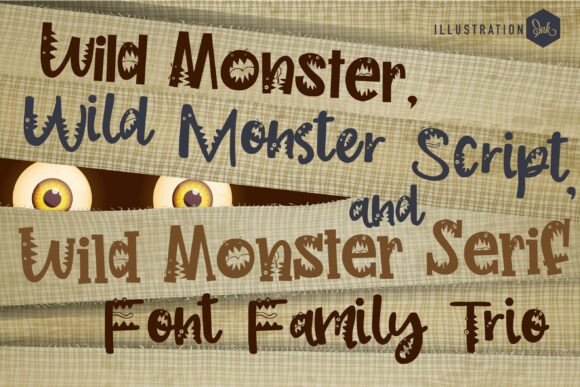
In the realm of digital design and content creation, selecting the right typographic assets is rarely just an aesthetic choice; it is a functional decision that dictates the tone, readability, and emotional resonance of a project. The Wild Monster Trio represents a specific category of typeface collection designed to inject personality into visual communication without sacrificing structural integrity. This unique trio includes a bold display font characterized by monster teeth and eyes, a fun handwritten script, and a matching serif style. While often associated with the spooky season, its utility extends far beyond Halloween, serving as a versatile tool for educators, marketers, small business owners, and creative professionals who need to balance whimsy with clarity.
Integrating a specialized font family like Wild Monster Trio into a workflow requires understanding where typography fits within the broader project lifecycle. It is not merely a final polish applied after the content is written; rather, it influences layout decisions, brand voice establishment, and user engagement strategies from the planning phase onward. For professionals managing multiple projects, having a cohesive set of fonts streamlines the execution process, ensuring consistency across different deliverables while reducing the time spent searching for compatible styles.
Understanding the Components of the Collection
To utilize the Wild Monster Trio effectively, one must first understand the distinct roles each font plays within the set. The collection is engineered to function as a system rather than three isolated files. The primary component is the bold display font, which features exaggerated elements like teeth and eyes. In a practical workflow, this font serves as the headline anchor. It is designed to grab attention immediately, making it ideal for titles, banners, and call-to-action buttons where visual impact is the priority.
The second component is the fun handwritten script. In design theory, scripts are often used to simulate human touch, adding warmth and approachability. Within the context of this monster-themed set, the script provides a counterbalance to the boldness of the display font. It is best utilized for subheadings, pull quotes, or decorative elements that require a more personal, less rigid feel. When planning a layout, pairing the heavy display font with the lighter script creates a dynamic hierarchy that guides the reader's eye naturally.
The third element is the matching serif style. Serifs are traditionally associated with readability and authority, but in this quirky collection, they bridge the gap between the playful display and the body text requirements. This font is crucial for longer blocks of text, such as event descriptions, classroom instructions, or product details. Its presence ensures that the project remains legible even when the theme is highly stylized. Without a dedicated serif option, creators might be forced to mix in generic fonts, breaking the visual harmony and diluting the brand identity.
Strategic Integration into Project Planning
Effective use of the Wild Monster Trio begins during the pre-production phase of any creative endeavor. Whether you are designing a marketing campaign for a seasonal sale or preparing materials for a school event, defining the typographic strategy early prevents costly revisions later. During the planning stage, consider the target audience and the platform where the final asset will live. If the output is primarily for social media graphics, the bold display font becomes the hero, driving engagement through high-contrast visuals. If the project involves printed invitations or educational posters, the interplay between the script and serif fonts becomes critical for maintaining readability at various sizes.
For entrepreneurs and small business owners, consistency is a key metric of professional quality. Using a font family that offers three distinct weights and styles allows for a unified look across all touchpoints. Imagine a children's party planning service creating a suite of materials: the logo uses the display font, the email newsletter headers use the script, and the terms and conditions or menu items use the serif. This systematic approach reduces cognitive load for the audience, reinforcing brand recognition. By establishing these rules before opening design software, the execution phase becomes significantly faster and more efficient.
Workflow Applications Across Industries
The versatility of the Wild Monster Trio makes it applicable across various sectors, provided the tone aligns with the brand or message. In education, teachers can leverage this set to create engaging classroom decor and learning materials. The playful nature of the fonts can transform standard worksheets into exciting activities, increasing student participation. When organizing a lesson plan, an educator might use the display font for the main topic on the whiteboard, the script for encouraging notes, and the serif for the actual reading passages. This method maintains a thematic consistency that keeps students immersed in the subject matter.
For marketers and bloggers, the font family offers a way to stand out in saturated niches. Seasonal campaigns, particularly those targeting families or children, benefit greatly from the whimsical fright aesthetic. However, the utility extends beyond October. Marketers can adapt the "monster" theme for concepts related to overcoming challenges, "scary" good deals, or simply injecting humor into corporate communications. The key is to use the fonts intentionally. Overuse of the display font can lead to visual clutter, so it should be reserved for moments that demand emphasis. The script and serif fonts provide the necessary breathing room for the content to breathe.
Crafters and hobbyists also find value in this collection for DIY projects. From customizing t-shirts to creating scrapbook layouts, the ability to mix and match styles allows for personalized touches that mass-produced templates cannot offer. When working on physical crafts, the compatibility of the fonts ensures that the text looks cohesive whether it is die-cut, printed, or hand-lettered digitally before being transferred to paper.
Technical Compatibility and Usability
From a technical standpoint, integrating the Wild Monster Trio into existing workflows requires attention to file formats and software compatibility. Most modern design tools, including Adobe Creative Cloud, Canva, and Microsoft Office, support standard font file types. Ensuring that the fonts are properly installed on the local machine or uploaded correctly to cloud-based platforms is a fundamental step in the preparation process. Professionals should verify that ligatures and special characters, such as the monster eyes and teeth, render correctly across different devices and operating systems.
Usability also depends on how the fonts interact with other design assets. Color contrast is essential when using decorative fonts. The intricate details of the display font may get lost against busy backgrounds or low-contrast color schemes. Therefore, during the execution phase, designers should test the fonts against their chosen color palette to ensure legibility. Additionally, spacing and kerning adjustments may be necessary, especially when combining the wide display font with the narrower serif. Taking the time to fine-tune these settings during the design process enhances the overall quality and professionalism of the final output.
Long-Term Value and Quality Control
Investing in a comprehensive font family like Wild Monster Trio offers long-term value by providing a reusable asset library. Once the workflow is established, these fonts become part of the creator's toolkit, ready to be deployed for future projects. This reduces the time spent on asset sourcing and allows for quicker turnaround times on client work or personal goals. Quality control involves regularly reviewing designs to ensure the fonts are still serving their intended purpose. As trends shift, the application of the fonts might evolve, but the core utility of having a matched set remains constant.
Furthermore, maintaining organization in your digital files is crucial for efficiency. Storing the Wild Monster Trio files in a structured directory alongside related graphic assets ensures that they are easily accessible when needed. For teams collaborating on projects, sharing the font files and establishing usage guidelines helps maintain consistency across different contributors. This collaborative approach minimizes errors and ensures that the final product meets the desired standards.
Conclusion on Implementation
The Wild Monster Trio is more than a novelty item for the spooky season; it is a functional design resource that supports a variety of creative processes. By understanding the specific roles of the display, script, and serif components, professionals can integrate them seamlessly into their workflows. Whether for educational materials, marketing campaigns, or personal crafts, the key lies in strategic planning, technical preparation, and consistent execution. When used with intention, this font family adds a layer of whimsical charm that enhances engagement while maintaining the structural integrity required for effective communication. Embracing such specialized tools empowers creators to produce high-quality, distinctive work that resonates with their audience.