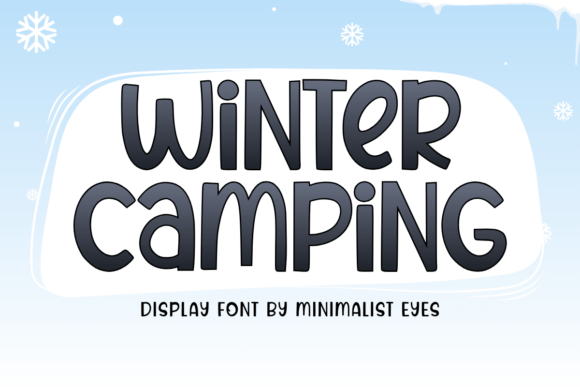
Winter Camping: A Cozy Display Font for Creative Workflows
In the landscape of digital design, typography is often treated as a final polish rather than a foundational element of the creative process. However, selecting the right typeface early in a project can define the tone, guide user interaction, and streamline the entire execution phase. Winter Camping represents a specific category of display font that bridges the gap between playful aesthetics and functional readability. For professionals ranging from marketing directors to independent creators, understanding how to integrate this specific visual asset into a workflow is essential for producing high-quality, emotionally resonant content.
Winter Camping is not merely a decorative script; it is a robust tool designed to evoke a sense of cozy warmth and fun adventure. Its rounded, bubble-like letterforms and slightly uneven baseline create a hand-drawn uniqueness that feels approachable and informal. This aesthetic mimics soft snow drifts or puffy coats, lending itself perfectly to designs requiring a snug and inviting feel. When planning a seasonal campaign or a children's book layout, the decision to use Winter Camping is a strategic one that impacts branding consistency, audience engagement, and production efficiency.
Defining the Role of Winter Camping in Design Strategy
Before diving into implementation, it is crucial to understand where Winter Camping fits within the broader design hierarchy. As a display font, its primary function is to capture attention immediately. It is not intended for long-form body copy but excels in headlines, logos, call-to-action buttons, and short phrases. In a professional workflow, this distinction dictates when and how the font is deployed. Using it for titles ensures excellent readability due to its thick weight, while its lighthearted touch prevents the design from feeling too rigid or corporate.
The "squishy" aesthetic of Winter Camping serves a psychological purpose in branding. It signals safety, comfort, and playfulness. For a small business owner launching a winter apparel line, or an educator creating holiday-themed learning materials, this font acts as a visual shorthand for the brand's values. It tells the audience that the experience will be friendly and accessible. Therefore, the integration of Winter Camping should occur during the conceptualization phase, alongside mood board creation and color palette selection, rather than as an afterthought during the final export stage.
Pre-Production Planning and Asset Selection
Effective use of any typeface begins with preparation. Before downloading or licensing Winter Camping, designers must evaluate the project requirements against the font's inherent characteristics. The font's thick weight makes it an outstanding choice for bold statements, but it requires careful consideration regarding file size and compatibility across different platforms.
- Project Scope Analysis: Determine if the project targets a younger demographic or focuses on leisure activities. Winter Camping is ideal for children's books, social media posts about seasonal activities, and cute apparel designs. If the target audience is strictly corporate or formal, this font may clash with the desired tone.
- Licensing and Legal Compliance: Ensure the license covers the intended usage, whether it is for commercial web use, print runs, or merchandise. Misunderstanding licensing terms can lead to legal complications down the road, disrupting the project timeline.
- Technical Compatibility: Verify that the font files (OTF, TTF, WOFF) are compatible with your design software, such as Adobe Illustrator, Photoshop, or Canva. While most modern systems handle standard formats well, testing the font in the specific environment before starting the actual design work prevents rendering errors later.
During this pre-production phase, it is also wise to consider how Winter Camping interacts with other typographic choices. Since it is a display font with significant personality, pairing it with a neutral sans-serif or a clean serif for body text creates a balanced composition. This contrast ensures that the playful nature of the headlines does not overwhelm the informational content, maintaining overall usability and readability.
Implementation in Creative Workflows
Once the planning phase is complete, the execution of the design involves integrating Winter Camping into the visual assets. The font's slightly uneven baseline adds a charming, hand-drawn quality that can make static designs feel dynamic. However, this characteristic requires a deliberate approach to alignment and spacing.
Typography Pairing and Hierarchy
To maintain a professional look, Winter Camping should be used sparingly to establish hierarchy. In a social media post, the headline might utilize Winter Camping to grab attention, while the caption uses a standard font for clarity. This separation of duties allows the font to shine without causing visual fatigue. Designers should experiment with tracking (letter-spacing) and leading (line-height) to accommodate the font's plump forms. Because the letters are round and thick, they may require slightly more space between lines than a standard font to prevent them from appearing crowded.
Application Across Media
The versatility of Winter Camping extends across various media types, each requiring specific adjustments:
- Digital Marketing: On social media platforms like Instagram or Pinterest, the font works exceptionally well for overlay text on images. Its bold weight ensures legibility even over complex backgrounds, provided there is sufficient contrast or a subtle drop shadow.
- Print and Apparel: For t-shirts, mugs, or greeting cards, the font's rounded edges translate beautifully into embroidery or screen printing. The "squishy" look enhances the tactile appeal of physical products, making them feel more inviting to potential customers.
- Publishing: In children's books or educational worksheets, Winter Camping can serve as chapter headings or activity labels. Its friendly appearance reduces the intimidation factor of reading tasks, encouraging engagement from young learners.
Optimizing for Consistency and Quality Control
Maintaining consistency is a key challenge in any design workflow, especially when using expressive fonts. Winter Camping has a unique character, and ensuring it looks uniform across different applications requires strict style guidelines. Teams should document the specific settings used for the font, including size, weight, color codes, and pairing rules. This documentation becomes part of the brand's style guide, ensuring that anyone working on the project—from freelancers to in-house staff—applies the font correctly.
Quality control also involves checking the font's performance at different scales. While Winter Camping is designed for headlines, it should be tested at smaller sizes to ensure the thick strokes do not blur together. If the font loses legibility at a certain point, it is a signal to switch to a secondary font for that specific context. This proactive testing saves time during the review process and prevents costly reprints or redesigns.
Long-Term Integration and Workflow Efficiency
For businesses and creators who rely on seasonal themes, integrating Winter Camping into a reusable asset library can significantly boost efficiency. By creating templates that incorporate the font for recurring projects—such as monthly newsletters, holiday promotions, or event flyers—teams can reduce the time spent on layout decisions. These templates serve as a starting point, allowing for quick customization while maintaining brand integrity.
Furthermore, understanding the lifecycle of a font is important for long-term planning. Trends in design evolve, but the core appeal of a cozy, friendly font like Winter Camping tends to remain stable for seasonal content. However, creators should periodically review their font library to ensure it still aligns with current market trends and audience expectations. If the brand evolves to a more minimalist or serious direction, Winter Camping might need to be archived in favor of a more neutral typeface.
Conclusion: Strategic Use for Maximum Impact
Winter Camping is more than just a pretty font; it is a strategic asset that can enhance the emotional connection between a brand and its audience. By understanding its characteristics—rounded letterforms, thick weight, and playful baseline—professionals can integrate it effectively into their workflows. From the initial planning stages to the final quality control checks, treating the font as a critical component of the design process ensures consistent, high-quality outcomes.
Whether you are designing a logo for a winter festival, creating a children's storybook, or crafting a holiday marketing campaign, the principles of preparation, pairing, and consistency remain the same. By leveraging the cozy warmth and fun adventure that Winter Camping evokes, creators can produce work that is not only visually appealing but also deeply resonant with their target audience. The key lies in balancing the font's whimsical nature with practical design constraints, ensuring that every project delivers both style and substance.