Roughstance Bold: A Practical Evaluation of Its Design Strengths and Limitations
In the crowded landscape of display typography, finding a font that balances visual weight with character is often a challenge. Roughstance Bold emerges as a distinct option for designers seeking a typeface that commands attention without relying on sterile geometric perfection. It is a powerful display typeface defined by its strong presence and vintage charm, offering a slightly rugged texture that evokes a sense of history and authenticity. For professionals aged 20 to 50 who are evaluating resources for branding, packaging, or editorial design, understanding where Roughstance Bold fits within the broader typographic ecosystem is essential. This evaluation explores its unique attributes, compares it to standard alternatives, and outlines the specific scenarios where it delivers the most value.
Defining the Character of Roughstance Bold
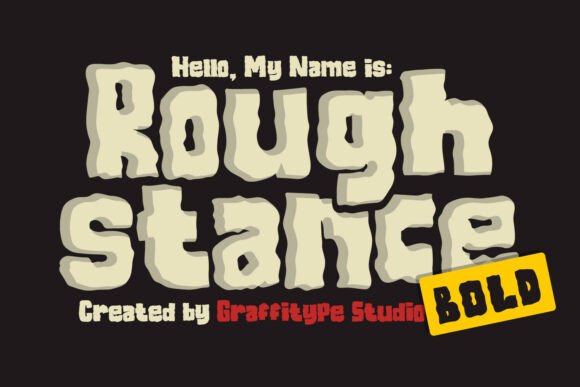
At its core, Roughstance Bold is designed to be more than just a vessel for text; it is an aesthetic statement. Unlike standard sans-serif fonts that prioritize legibility above all else, this typeface embraces a handcrafted touch. Each letterform carries subtle irregularities and wave-like curves that introduce a dynamic rhythm to the layout. These imperfections are not errors but intentional design choices that mimic the wear and tear of vintage signage or hand-painted posters.
The bold weight of the font ensures high visibility, making it particularly effective for headlines and titles where immediate impact is required. However, what distinguishes Roughstance Bold from typical block-style fonts is its fluidity. The subtle undulations in the strokes give the letters a sense of motion, preventing the design from feeling static or overly rigid. This balance of boldness and vintage imperfection brings a human warmth to modern layouts, ensuring that the message feels approachable yet authoritative.
Texture and Rhythm in Modern Design
When evaluating a typeface, the interplay between texture and rhythm is crucial. Roughstance Bold excels here by avoiding the uniform smoothness found in many digital-native fonts. The slightly rugged texture adds depth, which can be especially beneficial when the font is used in printed materials like packaging or large-format posters. In these contexts, the texture interacts with physical materials—such as textured paper or embossing—to enhance the tactile quality of the design. Conversely, in digital environments, this texture helps the font stand out against clean, flat backgrounds, creating a focal point that draws the eye immediately.
Comparing Roughstance Bold to Standard Display Alternatives
To make an informed decision, it is necessary to compare Roughstance Bold with other common approaches in the display category. Most designers encounter two primary alternatives when looking for bold, impactful typefaces: ultra-modern geometric sans-serifs and distressed grunge fonts.
- Geometric Sans-Serifs: Fonts in this category are characterized by perfect circles, straight lines, and uniform stroke widths. They offer maximum legibility and a futuristic, corporate feel. While excellent for UI/UX design and technical documentation, they often lack the personality and emotional resonance that Roughstance Bold provides. If a project requires a cold, precise, or strictly professional tone, a geometric alternative may be superior.
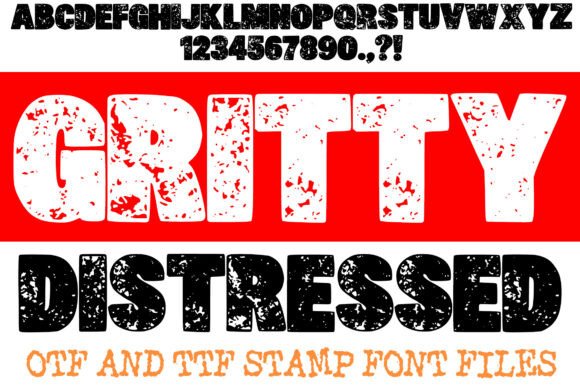
- Distressed Grunge Fonts: These typefaces focus heavily on decay, featuring extreme roughness, holes, and ink splatters. While they share the "rugged" aspect of Roughstance Bold, they can sometimes become illegible or visually noisy if overused. Roughstance Bold strikes a middle ground, maintaining enough structural integrity to remain readable while still conveying a weathered, authentic look.
Another comparison point is the category of slab serifs. Traditional slab serifs offer boldness and stability but often feel too heavy or industrial. Roughstance Bold differentiates itself through its wave-like curves, which soften the edges and add a layer of sophistication that rigid slabs often miss. This makes it a versatile choice for creative branding where the goal is to appear established yet innovative.
Strengths and Tradeoffs in Application
Every typeface comes with inherent strengths and tradeoffs. Understanding these factors helps determine whether Roughstance Bold is the right tool for a specific project. One of its primary strengths is its ability to convey confidence and character simultaneously. The font's unique flow allows it to work well in logos and packaging where brand identity needs to feel both strong and human. It adapts seamlessly to various contexts, from digital advertisements to printed merchandise, without losing its distinctive voice.
However, there are limitations to consider. Because of its decorative nature and bold weight, Roughstance Bold is not suitable for body copy or long-form text. The intricate details and heavy strokes can cause reader fatigue when used in paragraphs. Additionally, at very small sizes, the subtle textures and curves may blur, reducing legibility. Therefore, it should be reserved for headlines, titles, and short phrases where its visual impact can be fully appreciated.
Legibility vs. Aesthetic Impact
Designers must weigh the tradeoff between aesthetic impact and functional legibility. While Roughstance Bold excels at grabbing attention, it requires careful pairing with simpler, more neutral fonts for supporting text. Using it alongside a clean, light sans-serif creates a harmonious contrast that guides the reader's eye effectively. Without this balance, a design can feel cluttered or overwhelming. This decision factor is critical for projects aiming to capture both strength and character without sacrificing clarity.
Ideal Use Cases and Decision Factors
Determining when to choose Roughstance Bold involves analyzing the project's goals and target audience. It is an ideal choice for creative branding, posters, logos, and packaging that need to stand out in a saturated market. Industries such as craft beverages, artisanal food products, streetwear fashion, and event promotion often benefit from its vintage charm and confident look. The font's ability to evoke a sense of tradition while remaining modern makes it particularly effective for brands that want to highlight their craftsmanship or heritage.
Conversely, there are situations where another option may be more appropriate. For tech startups, financial services, or medical applications where trust and precision are paramount, a cleaner, more conventional typeface might be safer. Similarly, if the design relies heavily on minimalism or requires extensive scalability across various screen sizes without loss of detail, a simpler font family would be a better fit. Readers should also consider the medium; while Roughstance Bold works well in print, digital implementations require careful testing to ensure the texture renders correctly on different devices.
Evaluating Brand Alignment
Ultimately, the decision to use Roughstance Bold should align with the brand's narrative. Does the brand story involve heritage, authenticity, and a human touch? If so, the font's handcrafted elements will reinforce that message. If the brand aims for a purely futuristic or clinical image, the vintage imperfections of Roughstance Bold could create a dissonance. Evaluating these alignment factors ensures that the typography supports rather than distracts from the overall communication strategy.
Practical Implementation Strategies
For those deciding to incorporate Roughstance Bold into their workflow, practical implementation strategies can maximize its effectiveness. First, leverage its bold weight for hierarchy. Use it exclusively for the main headline or key call-to-action to establish a clear visual anchor. Second, experiment with spacing. The rugged texture benefits from generous letter-spacing (kerning), which prevents the characters from merging and enhances readability. Third, consider color contrasts. Pairing the font with muted, earthy tones can accentuate its vintage feel, while high-contrast combinations can amplify its modern energy.
Finally, test the font in context before finalizing any design. Mockups are essential for visualizing how Roughstance Bold performs on actual packaging or digital screens. This step helps identify potential issues with legibility or texture rendering early in the process. By approaching the font with a strategic mindset, designers can harness its unique flow and dynamic rhythm to create memorable impressions that resonate with audiences.
In conclusion, Roughstance Bold offers a compelling solution for projects requiring a blend of strength and character. Its distinction lies in the careful balance of boldness and vintage imperfection, setting it apart from generic block fonts. While it has limitations regarding body text and extreme scaling, its strengths in branding and display applications make it a valuable asset in a designer's toolkit. By understanding its specific traits and comparing them against alternatives, professionals can make informed decisions that elevate their visual communications.