Mastering the Macabre: How Zomelya Cobweb Redefines Horror Display Typography
In the rapidly evolving landscape of digital design, typography serves as more than just a vehicle for text; it is the primary architect of mood and atmosphere. For professionals working within the horror genre, event marketing, or immersive storytelling, the choice of font can determine the success of a campaign before a single pixel of imagery is viewed. Enter Zomelya Cobweb, a chilling horror display typeface that has quickly garnered attention for its ability to capture the visceral essence of fear through jagged letterforms and cobweb-inspired textures. This font represents a shift away from generic spooky aesthetics toward a more nuanced, textured approach to typographic storytelling.
The Anatomy of Fear: Understanding Zomelya Cobweb
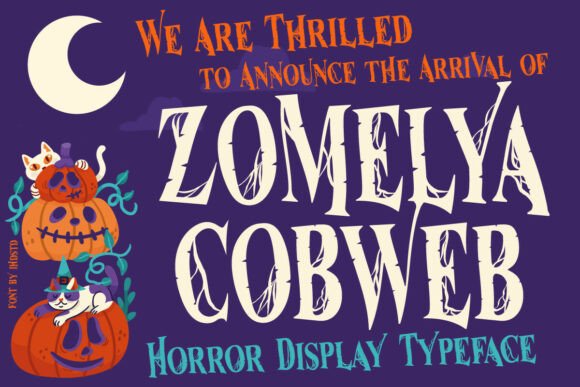
Zomelya Cobweb is not merely a collection of letters; it is a curated visual experience designed to evoke the eerie ambiance of haunted houses, ghost stories, and dark tales. At its core, the typeface features distinctive, irregular edges that mimic the delicate yet unsettling structure of a spider's web. These jagged letterforms are not random; they are carefully crafted to create a sense of decay and entrapment, mirroring the psychological themes often explored in horror narratives.
What sets this font apart in the crowded market of display typefaces is its texture. Unlike flat, vector-based horror fonts that rely solely on shape, Zomelya Cobweb incorporates subtle textural elements that suggest age, dust, and organic deterioration. This depth allows designers to create headlines that feel tactile and immediate, even on a screen. When applied to a poster or a digital invite, the font seems to breathe, adding a layer of realism that flat typography simply cannot achieve.
Why Texture Matters in Modern Horror Design
The rise of Zomelya Cobweb coincides with a broader industry trend toward hyper-realism and atmospheric immersion. Audiences today are increasingly sophisticated consumers of horror content. They have seen countless generic "scary" fonts that rely on clichés like dripping blood or lightning bolts. Consequently, there is a growing demand for subtlety and sophistication in visual communication. Creators are looking for tools that convey dread without being overtly cartoonish.
This typeface answers that call by offering a refined yet terrifying aesthetic. It fits perfectly into the current consumer preference for "elevated horror"—a subgenre that values psychological tension over cheap jump scares. By utilizing a font that oozes fear and flair, marketers and designers can signal to their audience that the content they are presenting is mature, thoughtful, and genuinely unsettling.
Strategic Applications for Professionals and Entrepreneurs
For freelancers, entrepreneurs, and creative agencies, the utility of Zomelya Cobweb extends far beyond simple Halloween decorations. It is a versatile asset that can be integrated into various business workflows to enhance brand identity and engagement during specific seasonal campaigns or thematic projects.
Event Marketing and Invitations
One of the most immediate applications for this typeface is in event marketing. Whether organizing a corporate Halloween party, a haunted house tour, or a film festival dedicated to horror cinema, the invitation sets the tone. Using Zomelya Cobweb for the main headline instantly transports the recipient into the narrative world of the event. It transforms a standard digital invite into an immersive artifact, increasing open rates and engagement because the design itself promises an experience rather than just information.
- Haunted Attractions: Use the font for signage and ticketing materials to build anticipation before guests even arrive at the venue.
- Film Premieres: Apply the typeface to movie posters and social media teasers to establish the genre immediately.
- Themed Parties: Create custom invitations that stand out in a crowded inbox by leveraging the font's unique, jagged silhouette.
Packaging and Product Branding
In the realm of e-commerce and physical retail, packaging is the first point of contact between a product and a consumer. For brands specializing in cosmetics, collectibles, or limited-edition merchandise with a dark theme, Zomelya Cobweb offers a distinct competitive advantage. The font's creepy aesthetic makes it ideal for labeling products that need to convey a sense of exclusivity and edginess.
Consider a candle company launching a "Midnight Manor" scent line. Using this typeface for the label design does more than describe the scent; it evokes the feeling of sitting in an abandoned room, surrounded by dust and shadows. This emotional connection drives purchase decisions, as consumers are buying an atmosphere as much as a physical product.
Shifting Workflows and Creative Expectations
The adoption of specialized fonts like Zomelya Cobweb reflects a changing workflow in the creative industry. In the past, designers might have spent hours manipulating vector shapes to create a distressed look. Today, the expectation is for speed without sacrificing quality. High-quality, pre-textured display fonts allow professionals to iterate faster, focusing their energy on layout, color theory, and composition rather than basic asset creation.
This efficiency is crucial for freelancers and small agencies operating under tight deadlines. The ability to drop in a font that already possesses complex textural details streamlines the production process. It ensures that the final output maintains a high level of polish, which is essential when competing in a saturated digital marketplace where attention spans are short.
The Psychology of Spooky Typography
Beyond technical utility, there is a psychological component to why people are paying attention to Zomelya Cobweb. Horror is one of the few genres where discomfort is the desired outcome. Effective horror typography must walk a fine line: it needs to be legible enough to convey the message but distorted enough to trigger a primal unease. The jagged edges of this font tap into our innate aversion to sharp, unpredictable shapes, while the web-like textures evoke feelings of confinement and stagnation.
Marketers understand that triggering these subconscious responses can lead to higher recall rates. A title written in Zomelya Cobweb sticks in the mind longer than one written in a standard serif or sans-serif font. This memorability is a key metric for successful campaigns, making the font a strategic investment for any professional looking to make a lasting impression.
Integrating Zomelya Cobweb into Your Design Toolkit
To maximize the impact of this typeface, it is important to consider how it interacts with other design elements. Because the font is so visually dominant, it works best as a display element—reserved for headlines, logos, and short phrases. Overuse can dilute its effect and compromise readability. Pairing it with clean, neutral body copy creates a striking contrast that highlights the horror elements while ensuring the message remains clear.
Furthermore, the versatility of Zomelya Cobweb allows it to adapt to various color palettes. While black and white remain classic choices for maximum contrast, the font also performs exceptionally well with muted earth tones, deep crimsons, and desaturated greens. This flexibility makes it suitable for a wide range of creative projects, from indie game interfaces to high-end editorial spreads.
Future Trends in Atmospheric Design
Looking forward, the demand for immersive, context-aware typography is only expected to grow. As virtual reality (VR) and augmented reality (AR) become more prevalent in entertainment and marketing, the need for fonts that can bridge the gap between the digital and the physical will increase. Zomelya Cobweb anticipates this shift by providing a rich, textural foundation that translates well across different mediums. Its ability to simulate real-world decay and organic forms makes it a forward-looking choice for designers preparing for next-generation platforms.
As the lines between gaming, cinema, and live events continue to blur, the tools used to communicate these experiences must evolve. Fonts that offer depth, texture, and emotional resonance will become the standard for premium content. By incorporating Zomelya Cobweb into their toolkit now, professionals position themselves at the forefront of this creative evolution.
Conclusion
In conclusion, Zomelya Cobweb is more than just a spooky font; it is a powerful instrument for storytelling and brand differentiation. Its jagged, web-inspired letterforms provide a unique visual language that resonates with modern audiences seeking authentic, atmospheric horror experiences. For creators, marketers, and entrepreneurs, understanding the value of such specialized assets is key to standing out in a competitive market.
Whether you are designing a poster for a local haunted attraction, creating packaging for a niche brand, or crafting a digital campaign for a horror film, this typeface offers the perfect blend of fear and flair. It captures the haunting edge necessary to captivate an audience, turning simple text into an unforgettable visual statement. As the industry continues to prioritize immersion and emotional engagement, Zomelya Cobweb stands ready to help professionals deliver spine-tingling results that leave a lasting mark.