Japanese Neotokyo: A Bold Fusion of Heritage and Future
In the world of modern typography, few typefaces manage to bridge the gap between ancient tradition and futuristic vision as effectively as Japanese Neotokyo. This is not just another decorative script; it is a visual statement that captures the electric energy of Tokyo’s neon-lit streets while honoring the disciplined grace of traditional calligraphy. For designers, brand strategists, and creative professionals looking to inject character into their work, this display font offers a unique solution. It moves beyond simple aesthetics to provide a narrative tool, allowing you to tell stories of culture, innovation, and bold identity without saying a word.
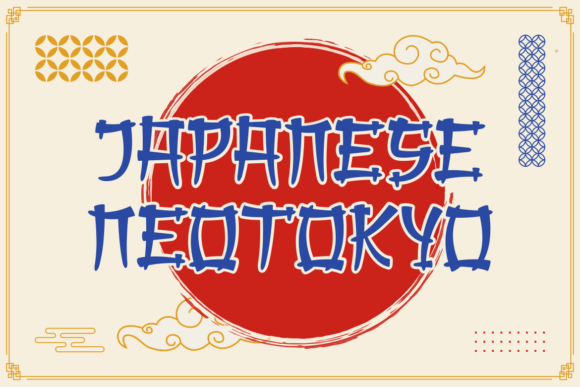
The appeal of Japanese Neotokyo lies in its ability to feel simultaneously organic and constructed. Unlike rigid geometric sans serifs or overly ornate serif fonts, this typeface breathes. Its strokes mimic the fluid motion of a brush hitting paper, complete with textured edges and dynamic terminals that suggest movement. Yet, beneath that hand-painted surface lies a balanced geometric construction that ensures the letters remain legible and cohesive. The characters are slightly exaggerated in height and width, creating a dramatic presence that commands attention instantly. Whether you are crafting a logo for a high-end sushi bar or designing a poster for a cyberpunk film, this font delivers a visual voice that is distinctly bold and culturally rooted.
The Visual Personality of a Neo-Futuristic Typeface
When evaluating a premium font for your next project, understanding its personality is crucial. Japanese Neotokyo exudes confidence and energy. It is a creative font that refuses to sit quietly in the background. The visual characteristics are defined by the interplay between the rough, ink-stained texture of the brushwork and the sharp, clean lines of modern digital design. This duality makes it stand out against the backdrop of standard sans serif fonts or generic script fonts often found in free libraries.
The "Neotokyo" aspect of the name is no accident. The design draws inspiration from the chaotic yet harmonious visual language of Tokyo street art, anime aesthetics, and urban signage. The stroke terminals are dynamic, sometimes flaring out like a brushstroke mid-motion, other times cutting off sharply to reflect digital precision. This creates a sense of rhythm across a line of text. The inclusion of uppercase, lowercase, numbers, and a full set of punctuation marks ensures that the font can handle more than just short headlines. It is a comprehensive typeface designed to maintain its stylistic integrity even when used in longer blocks of text, though it shines brightest as a display element.
For those familiar with East Asian typographic aesthetics, the font feels authentic rather than appropriated. It respects the weight and balance of kanji-inspired forms while adapting them into a Latin alphabet structure. This makes it an excellent choice for projects aiming for cultural authenticity without relying on clichés. The result is a design asset that feels both nostalgic, nodding to heritage, and forward-looking, leaping toward neon-lit futures.
Ideal Applications for Branding and Creative Projects
The versatility of Japanese Neotokyo extends across a wide range of industries and mediums. Because it is a commercial font with a distinct style, it works best where impact is required. In brand identity work, it serves as a powerful anchor for logos and wordmarks. Imagine a ramen shop flyer where the font wraps around steam rising from a bowl, or a tech startup specializing in AI that wants to emphasize its Eastern roots and future focus. The font’s bold nature makes it perfect for these scenarios, ensuring the brand name is remembered.
Beyond branding, Japanese Neotokyo excels in packaging design. Food and beverage brands, particularly those in the culinary space, benefit greatly from its hand-painted texture. A label on a craft sake bottle or a box of premium tea can use this font to signal quality and artisanal care. Similarly, in editorial design, it acts as a striking headline font for magazines covering travel, technology, or pop culture. It breaks up the monotony of standard body text and guides the reader’s eye to key sections of an article.
Digital applications are equally strong. In web design, using Japanese Neotokyo for hero section headers can immediately set the tone for a website. It pairs well with minimalist layouts, providing a splash of color and texture that keeps users engaged. For social media graphics, the font’s dramatic presence ensures posts stand out in crowded feeds. Whether you are promoting an event, launching a new product, or sharing a quote, the font adds a layer of sophistication and flair that generic templates cannot match. From merchandise like t-shirts and posters to movie titles and album covers, the possibilities are vast.
Strategic Implementation and Readability Considerations
While Japanese Neotokyo is visually stunning, it requires strategic implementation to be effective. As a display font, it is not intended to replace standard body text in long-form reading materials. Its intricate textures and exaggerated proportions can become difficult to read at small sizes or in dense paragraphs. Therefore, the key to success lies in how you use it within your visual hierarchy.
To maximize readability and impact, pair Japanese Neotokyo with a clean, neutral sans serif font for body copy. This contrast allows the personality of the main title to shine without overwhelming the viewer. For example, if your headline is in Japanese Neotokyo, keep the supporting text in a simple, legible typeface like Helvetica or Roboto. This approach maintains professionalism while highlighting the creative flair of the display font. Always test your font pairing choices at various sizes to ensure the combination works across different devices and print formats.
When choosing this font for a project, consider the context and audience. If your target demographic values tradition and craftsmanship, the brush textures will resonate deeply. If they are drawn to futurism and innovation, the geometric exaggeration will speak to them. However, avoid using it in contexts that require strict neutrality or minimalism, such as legal documents or financial reports. In those cases, a standard serif or sans serif is more appropriate. Evaluate the fit carefully: does the font enhance the message, or does it distract from it?
Practical Steps for Designers and Business Owners
Before integrating Japanese Neotokyo into your workflow, take the time to review the included styles and licensing terms. Ensure that the license covers your intended use, whether it is for personal projects, client work, or commercial products. Most premium fonts come with clear guidelines regarding web usage, app integration, and print runs. Understanding these details upfront prevents legal issues down the road.
Testing is also essential. Download the font and experiment with different weights, spacing, and colors. See how the brush textures react when printed on different materials—matte paper might absorb the ink differently than glossy cardstock. On screen, check how the font renders on mobile devices versus desktop monitors. Adjust letter spacing (kerning) if necessary to improve legibility, especially for shorter words or acronyms.
Finally, remember that a font is just one part of the design equation. While Japanese Neotokyo provides a strong foundation, the overall success of your project depends on layout, color palette, and imagery. Use this font as a catalyst for creativity, but let the content guide the final execution. By combining the cultural depth of Japanese calligraphy with the pulse of modern design, you can create work that is not only visually striking but also emotionally resonant. Whether you are a seasoned designer or a small business owner looking to elevate your brand, Japanese Neotokyo offers a gateway to expressive design with true character.