Monovibe Graffiti: Bold Street Art Typography
The streets have always spoken a visual language of their own, one defined by raw energy, rebellion, and an unapologetic desire to be seen. In the world of digital design, capturing that specific urban pulse can be difficult. That is where Monovibe Graffiti steps in. It is not just another decorative typeface; it is a tool designed to replicate the authentic feel of hand-drawn street art while maintaining the technical precision needed for modern composition. With its consistent monoline width and outline-style structure, this font bridges the gap between the chaotic beauty of spray-paint tags and the clean requirements of professional layout software.
Understanding the Monovibe Aesthetic
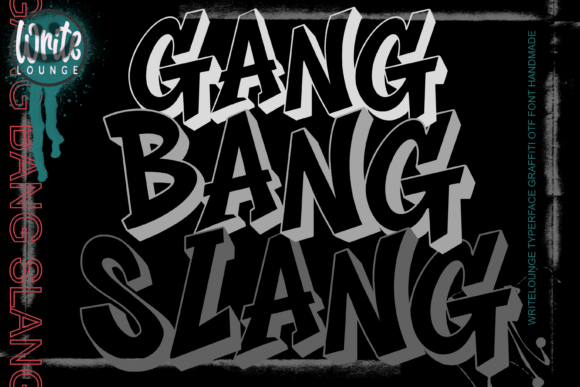
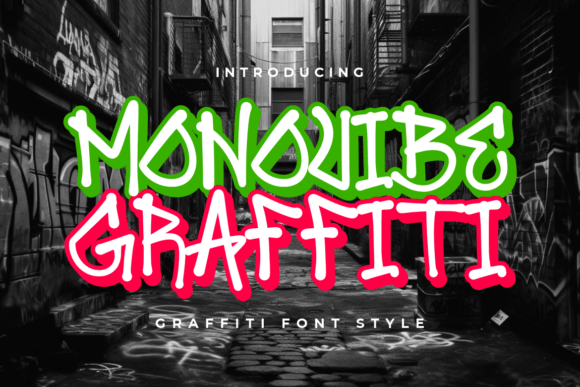
At its core, Monovibe Graffiti is built on the principle of the "monoline" stroke. Unlike traditional calligraphy or brush scripts that vary wildly in thickness based on pressure, this font maintains a uniform line weight throughout every letterform. This consistency gives it a unique character that feels both playful and daring. The glyphs are crafted to resemble the quick, fluid motions of a marker or a spray can, blending smooth curves with sharp, angular tags.
What sets it apart from generic graffiti fonts is the attention to detail in its construction. Each character features an outline style that mimics the way paint sits on a wall, often enhanced by vibrant color combinations and contrasting drop shadows in its display examples. However, as a vector-based asset, it remains flexible. Designers can fill these outlines with gradients, textures, or solid colors to match their specific project needs. Whether you are looking for uppercase impact, lowercase flow, or functional numerals and punctuation, the set provides full control over diverse typographic requirements.
Why Different Audiences Connect with Urban Typography
The appeal of a font like Monovibe Graffiti varies significantly depending on who is using it and why. For some, it is a gateway into the world of graphic design; for others, it is a critical branding asset. Understanding these different perspectives helps clarify whether this typeface fits your specific workflow.
For Beginners and Hobbyists
If you are new to design, the learning curve can often feel steep. You might struggle with creating custom lettering that looks authentic rather than cartoonish. Monovibe Graffiti offers a practical solution here. It allows beginners to achieve a high-quality, street-art look without needing advanced illustration skills. You can focus on layout, color theory, and composition rather than spending hours trying to draw perfect graffiti letters by hand.
Practical Example: A student creating a poster for a school music festival can use this font to instantly convey a hip-hop vibe. They don't need to worry about kerning issues common in free, low-quality fonts because Monovibe comes pre-optimized for readability and style. It serves as a reliable foundation for building confidence in design projects.
For Professional Designers and Freelancers
For experienced creatives, time is money. The priority shifts from "how do I make this look cool?" to "does this asset integrate seamlessly into my client's brand identity?" Professionals value flexibility and reliability. Monovibe Graffiti appeals to them because it offers a distinct voice that stands out in a crowded market without sacrificing legibility. The inclusion of a full character set—including numerals and punctuation—means designers rarely hit a roadblock when typesetting complex copy.
Practical Example: A freelance designer working on a streetwear clothing line needs a logo that screams "urban culture." Using Monovibe, they can create a bold mark that works equally well on a t-shirt print, a website header, and social media banners. The consistent monoline style ensures the design scales down perfectly for small tags on hems while remaining impactful on large billboards.
For Entrepreneurs and Small Business Owners
Business owners often view typography through the lens of marketing effectiveness. They need visuals that stop the scroll and communicate their brand values immediately. If your business targets a younger demographic, specifically those interested in skate culture, music, or underground art, a standard serif or sans-serif font might feel too corporate. Monovibe Graffiti injects a sense of freedom and youthfulness that resonates with these audiences.
Practical Example: An entrepreneur launching a limited-edition sneaker drop needs packaging that feels exclusive and edgy. By incorporating this font into the box design and promotional emails, they signal to consumers that the product is part of a movement, not just a commodity. The visual energy translates directly into brand perception.
For Educators and Content Creators
Educators teaching art history or graphic design can use Monovibe Graffiti as a case study for how street culture influences mainstream aesthetics. It demonstrates the evolution of tagging into a legitimate design discipline. Similarly, content creators on platforms like YouTube rely heavily on thumbnails to drive clicks. A bold, expressive font can make a thumbnail pop against a busy background.
Practical Example: A YouTuber reviewing skate videos needs a title card that matches the adrenaline of the sport. Using Monovibe Graffiti for the video title creates an immediate association with action and culture, increasing the likelihood of engagement from their target audience.
Evaluating Priorities: Quality, Flexibility, and Value
When deciding if Monovibe Graffiti is the right choice for your project, several factors come into play. Ease of use is paramount; the font should install easily and function smoothly within popular design software. Quality is non-negotiable—the outlines must be clean, and the spacing (kerning) should be balanced so text doesn't look clumped together.
Flexibility is another key consideration. Can you manipulate the font? Can you change the stroke color? Can you combine it with other typefaces for contrast? Monovibe is designed to be adaptable, allowing for creative experimentation. For commercial users, the long-term usefulness of the font matters. Investing in a typeface that remains relevant across various trends ensures your designs don't look dated quickly. While street styles evolve, the fundamental aesthetic of the monoline tag has proven enduring.
Finding Your Fit
Ultimately, the decision to use Monovibe Graffiti depends on your goals. If you are aiming for a formal, conservative look, this font is likely not the right fit. However, if your objective is to project energy, creativity, and a connection to urban roots, it offers a powerful visual asset. It empowers creators to express loud, raw, and unapologetically bold messages. Whether you are designing a sticker pack for a local artist collective or a major promotional campaign for a music event, this typeface provides the edge needed to make your message impossible to ignore.
Let your design vibe with the streets. By choosing tools that respect the origins of the culture they represent, you ensure that your work feels authentic and resonant. Monovibe Graffiti is more than just a font; it is a way to bring the pulse of the city into your digital creations.