Exploring the Playful Impact of Sonic Fonty in Modern Design
Typography plays a pivotal role in visual communication, and the emergence of Sonic Fonty has introduced a fresh, energetic voice to the design landscape. This distinctive typeface combines doodle-like charm with a bold, cartoonish structure, making it a standout choice for designers aiming to inject personality and vibrancy into their work.
Understanding the Unique Characteristics of Sonic Fonty
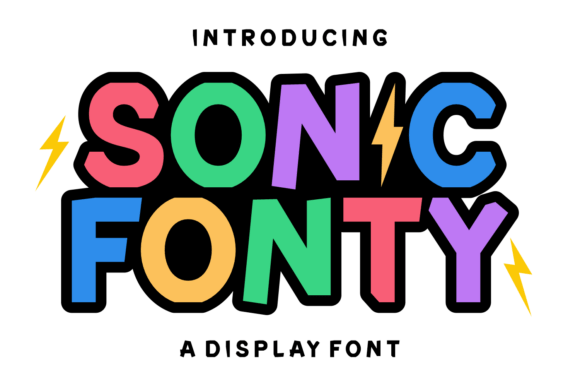
At its core, Sonic Fonty is defined by its exaggerated, whimsical forms. The font’s thick strokes and rounded edges give it a soft yet commanding presence. Unlike conventional sans-serif or serif fonts, Sonic Fonty embraces a “sticker-look” aesthetic, which allows it to function as both a typographic and illustrative element.
- Comic-inspired style: The font mimics the bold outlines and playful curves seen in comic books and animated series.
- Sticker-like appeal: Its visual weight and texture resemble printed stickers, making it ideal for designs that need a tactile, hands-on feel.
- Universal legibility: Despite its stylized appearance, Sonic Fonty remains highly readable, even at smaller sizes.
This blend of form and function makes Sonic Fonty an effective tool for capturing attention without compromising clarity.
Why Sonic Fonty Resonates Across Age Groups
One of the most compelling aspects of Sonic Fonty is its broad appeal. Its cartoonish, energetic design naturally draws in younger audiences, yet it also resonates with adults who appreciate nostalgic or retro aesthetics. This dual appeal is especially valuable in branding and marketing contexts where intergenerational engagement is a goal.
For instance, a children’s book illustrator might use Sonic Fonty for character dialogue to create a lively reading experience. Meanwhile, a boutique coffee shop could integrate the font into its packaging or menu boards to evoke a sense of fun and approachability.
Real-World Applications of Sonic Fonty
Sonic Fonty thrives in environments where visual impact and emotional resonance are key. Below are several practical use cases where this font shines:
- Merchandise Design: From T-shirts to tote bags, Sonic Fonty’s bold presence ensures that printed text stands out, especially when paired with bright colors or minimalist backgrounds.
- Logo Creation: Brands aiming for a youthful, dynamic identity can use Sonic Fonty to craft memorable logos that reflect creativity and approachability.
- Event Branding: Whether for a birthday party, school carnival, or summer festival, this font adds a festive tone that aligns with the event’s energy.
- Editorial Layouts: In magazines or zines targeting younger readers, Sonic Fonty can be used for headlines or pull quotes to break up content and add visual interest.
Technical Strengths That Enhance Design Flexibility
Beyond its expressive style, Sonic Fonty offers robust technical features that support its usability across diverse design environments. It includes full character sets covering uppercase, lowercase, numbers, and punctuation. Additionally, it supports multiple languages, making it suitable for international projects.
Designers can confidently use Sonic Fonty in both print and digital formats. Its adaptability ensures that it retains its charm whether used on a printed poster or a mobile app splash screen. This cross-platform consistency is crucial for maintaining brand integrity across different media.
Considerations for Using Sonic Fonty Effectively
While Sonic Fonty is a versatile font, its playful nature means it may not be appropriate for all contexts. For example, formal business documents, academic papers, or corporate branding typically require a more restrained typographic approach. However, in creative or informal settings, Sonic Fonty can be the defining element that elevates a design from ordinary to memorable.
Here are a few tips for integrating Sonic Fonty successfully:
- Pair with simpler fonts: To maintain visual balance, combine Sonic Fonty with clean sans-serif or minimalist script fonts for body text.
- Use for emphasis: Reserve Sonic Fonty for headlines, titles, or call-to-action buttons rather than long blocks of text.
- Match the tone: Ensure that the font aligns with the overall mood of the project—whether it’s fun, quirky, or celebratory.
Design Trends and the Rise of Playful Typography
In recent years, there has been a noticeable shift toward expressive, character-driven fonts in both digital and print media. Sonic Fonty fits seamlessly into this trend, reflecting a broader design movement that values personality and emotional connection over sterile uniformity.
This evolution mirrors changing consumer preferences, especially among younger generations who prioritize authenticity and creativity in visual communication. Brands and creators who embrace this shift are better positioned to engage audiences on a more personal level.
How Sonic Fonty Stands Out Among Display Fonts
Compared to other display fonts, Sonic Fonty distinguishes itself through its combination of cartoonish flair and typographic functionality. Many playful fonts sacrifice readability for style, but Sonic Fonty maintains a balance that makes it both expressive and usable.
When compared to similar fonts like Comic Sans or Fredoka One, Sonic Fonty offers a more modern, stylized alternative that feels less overused and more intentional in its design choices. It’s not just a font—it’s a statement.
Conclusion: A Font That Speaks Volumes
Sonic Fonty is more than just a typographic option; it’s a design tool that empowers creators to communicate with energy and individuality. Whether used in branding, illustration, or merchandise, it brings a sense of fun and approachability that resonates across age groups and design disciplines.
For designers seeking to make a visual impact without sacrificing functionality, Sonic Fonty offers a compelling solution. Its versatility, charm, and strong technical support make it a valuable asset in any creative toolkit.