Why Retro Halftone Is Becoming a Must-Have Font for Modern Designers and Entrepreneurs
In a world where visual identity plays a pivotal role in brand recognition and user engagement, typography has evolved from a subtle design element to a central storytelling tool. Among the latest typographic trends gaining traction across creative and business landscapes is Retro Halftone—a bold, grunge-style display font that's capturing the attention of designers, marketers, and entrepreneurs alike.
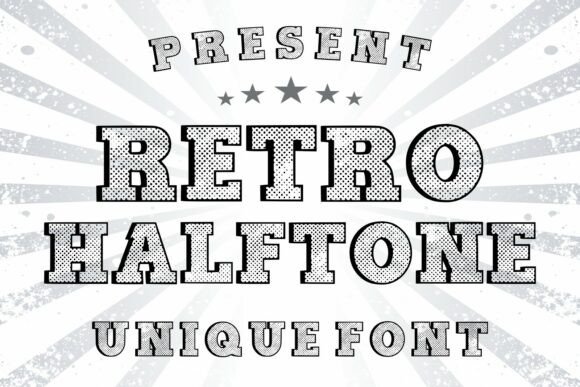
Retro Halftone is more than just a font; it's a design statement. With its textured, vintage-inspired halftone patterns and edgy aesthetic, this typeface brings a sense of nostalgia and authenticity to modern digital and print projects. Whether you're designing a logo, a poster, or a social media graphic, Retro Halftone offers a unique visual punch that stands out in a sea of sleek, minimalist typography.
The Rise of Grunge Typography in Contemporary Design
The resurgence of grunge aesthetics in design is not just a nostalgic throwback—it reflects a broader cultural shift. In recent years, audiences have become increasingly drawn to authenticity, imperfection, and rawness in visual communication. This trend is especially evident in branding, where companies are moving away from overly polished visuals in favor of designs that feel human, tactile, and emotionally resonant.
Retro Halftone fits seamlessly into this movement. Its textured appearance mimics the halftone printing techniques of the past, evoking a sense of history and craftsmanship. Unlike clean, digital fonts that dominate modern UI/UX design, Retro Halftone embraces visual noise and texture, making it ideal for projects that aim to convey a sense of rebellion, individuality, or vintage charm.
Why Designers and Entrepreneurs Are Turning to Retro Halftone
Designers and entrepreneurs are always on the lookout for tools that help them differentiate their work. In a saturated creative market, standing out requires more than just technical skill—it demands distinctive visual language. Retro Halftone offers that edge.
- Brand Differentiation: For startups and small businesses, creating a memorable brand identity is essential. Retro Halftone allows brands to inject personality and visual interest into their logos, packaging, and promotional materials.
- Emotional Resonance: The grunge aesthetic taps into a sense of nostalgia and authenticity that many consumers crave. This emotional connection can enhance brand loyalty and engagement.
- Print and Digital Versatility: Whether used in a limited-edition poster or a dynamic Instagram story, Retro Halftone adapts well across mediums, offering a consistent yet striking visual presence.
How Retro Halftone Aligns With Current Design and Consumer Trends
Several intersecting trends make Retro Halftone particularly relevant in today's creative ecosystem:
- Return to Analog Aesthetics: Despite our increasingly digital world, there's a growing appreciation for analog textures and imperfections. From vinyl records to film photography, consumers are gravitating toward tactile experiences. Retro Halftone mirrors this trend by bringing a printed, textured look to digital design.
- Minimalism Fatigue: After years of flat design and clean typography, creatives are exploring more expressive and layered visual styles. Grunge fonts like Retro Halftone offer a refreshing contrast to minimalism without veering into clutter.
- Personalization and Authenticity: Consumers today seek brands that feel genuine and relatable. Fonts with character, like Retro Halftone, help convey that authenticity through design.
Practical Applications of Retro Halftone in Real-World Projects
While Retro Halftone may seem like a niche font at first glance, its practical applications are surprisingly broad. Here are a few examples of how professionals across industries are incorporating it into their work:
- Musicians and Artists: Indie bands and visual artists use Retro Halftone in album covers, posters, and merchandise to evoke a DIY, underground vibe that resonates with their audience.
- Streetwear Brands: Fashion labels that lean into urban culture and countercultural motifs often use Retro Halftone in branding and packaging to reinforce their aesthetic.
- Content Creators: YouTubers, podcasters, and social media influencers incorporate the font into thumbnails and promotional graphics to stand out in crowded feeds.
- Event Designers: From concert flyers to limited-run exhibitions, event designers use Retro Halftone to create a sense of urgency and exclusivity.
Integrating Retro Halftone Into Your Design Workflow
For professionals looking to integrate Retro Halftone into their creative toolkit, a few key considerations can enhance its impact:
- Pairing with Complementary Fonts: Because Retro Halftone is a display font, it works best when paired with clean, readable sans-serif or serif fonts for body text. This contrast ensures readability while maintaining visual interest.
- Using It Sparingly: As with any bold design element, moderation is key. Use Retro Halftone for headlines, logos, or key visuals rather than extended body copy to maintain legibility and impact.
- Customizing for Branding: Many designers tweak the font’s texture or color to align with brand colors or themes. Customization can help make the font feel more integrated and intentional.
The Future of Typography and the Role of Retro Halftone
As design continues to evolve alongside technological and cultural shifts, typography will remain a core component of visual communication. Trends may come and go, but fonts that offer both aesthetic appeal and emotional depth tend to endure. Retro Halftone is positioned well for longevity due to its ability to bridge the gap between past and present design sensibilities.
Moreover, as generative AI and automated design tools become more prevalent, the demand for unique, human-centric fonts like Retro Halftone is likely to increase. These tools may streamline design processes, but they often lack the nuanced character that handcrafted or stylistically rich fonts provide. Designers who want to maintain a human touch in their work will continue to seek out fonts that carry personality and history.
Final Thoughts: Why Retro Halftone Deserves a Place in Your Font Library
In a digital landscape that often prioritizes speed and efficiency, Retro Halftone reminds us of the power of texture, imperfection, and visual storytelling. It's more than a font—it's a creative tool that empowers professionals to stand out, connect with audiences, and bring a sense of authenticity to their work.
Whether you're a seasoned designer, an entrepreneur building a brand, or a content creator looking to elevate your visuals, Retro Halftone is a versatile and impactful addition to any font library. As creative expectations continue to evolve, fonts like Retro Halftone will play a vital role in helping professionals express themselves in ways that feel both timeless and contemporary.