Ink Blood: A Visceral Display Typeface for Bold Designs
There is a distinct difference between a font that looks scary and one that feels dangerous. Ink Blood Block Font operates firmly in the latter category. It is not merely a decorative typeface; it is a visual instrument designed to disrupt the clean lines of modern digital spaces with raw, organic chaos. When you apply this typeface to a headline, you aren't just adding text; you are introducing a narrative of intensity, rebellion, and gritty realism. For designers, marketers, and creators looking to break through the noise of polished, sterile aesthetics, this premium font offers an immediate solution.
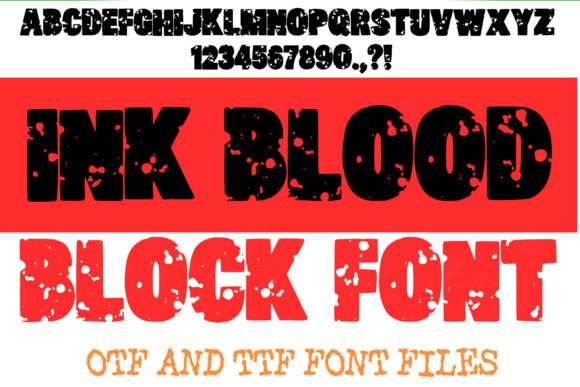
The visual DNA of Ink Blood is built on a foundation of heavy, assertive block structures. At its core, it functions as a robust sans serif font, providing the stability needed for headlines to command attention. However, the true character emerges from the disruption. The edges are fractured by authentic-looking ink splatters, blood drips, and distressed textures that mimic the violence of a stamp or the messiness of a street mural. This combination creates a unique tension: the rigid geometry of the block letters fighting against the fluid unpredictability of the splatter effects. It is this friction that gives the typeface its personality—a defiant, edgy attitude that refuses to be ignored.
Defining the Visual Impact and Personality
When evaluating a creative font like Ink Blood, it is essential to look beyond the initial shock value and understand its structural integrity. Unlike many script fonts or handwritten fonts that can become illegible when scaled up, Ink Blood maintains a formidable presence. The characters are thick and commanding, ensuring that even with the added texture, the underlying form remains recognizable. This makes it an excellent choice for editorial design where impact is paramount but readability cannot be sacrificed entirely.
The personality of the font is inherently aggressive yet artistic. It speaks to themes of survival, resistance, horror, and urban grit. In the context of brand identity, using a typeface with such strong emotional cues signals to your audience that your project is unapologetic. It works particularly well for brands or campaigns that want to distance themselves from corporate polish in favor of something more human, flawed, and visceral. Whether you are designing a logo for a heavy metal band or creating packaging for a limited-edition craft beer, the font injects a sense of authenticity that generic stock imagery simply cannot achieve.
Strategic Applications Across Creative Industries
The versatility of Ink Blood extends far beyond Halloween invitations or zombie-themed graphics, although those remain its most obvious use cases. Its application in professional design contexts is where the real value lies. Consider the realm of logo design. A logo needs to be memorable, and nothing sticks in the mind quite like a visual metaphor for impact. Using Ink Blood for a startup focused on extreme sports, underground music festivals, or edgy fashion labels can instantly establish a market position that feels rebellious and exclusive.
In the world of web design and social media graphics, attention spans are measured in milliseconds. A standard sans serif font might blend into the background of a news feed, but Ink Blood stops the scroll. It is ideal for hero sections, call-to-action buttons (when used sparingly), and promotional banners where the goal is to evoke an immediate emotional response. Similarly, in packaging design, this display font can transform a simple product box into a collectible item. Imagine a line of hot sauce or energy drinks utilizing this aesthetic; the packaging itself becomes part of the marketing message, promising a potent experience before the consumer even opens the package.
For publishers and content creators working on editorial design, Ink Blood serves as a powerful tool for section breaks and chapter titles. It adds a layer of thematic depth to articles about crime, history, or thriller genres without requiring complex illustration work. The font acts as a standalone graphic element, carrying the weight of the visual hierarchy while allowing the body copy to remain clean and readable.
Navigating Readability and Visual Hierarchy
One of the most common pitfalls when working with highly textured typefaces is losing legibility. Ink Blood is designed to mitigate this risk, but it still requires careful handling. Because it is a display font, it should never be used for long-form body text. The intricate details of the splatters and drips will cause eye strain if applied to paragraphs. Instead, reserve Ink Blood for headlines, subheads, and short phrases where its dramatic flair can shine.
To maintain a professional look, you must manage the visual hierarchy effectively. Pairing Ink Blood with a clean, neutral sans serif font or a classic serif font creates a balanced composition. The contrast between the chaotic energy of the headline and the structured simplicity of the body text guides the reader's eye naturally. This font pairing strategy ensures that your design feels intentional rather than messy. The Ink Blood elements act as the anchor, drawing the viewer in, while the supporting typeface provides the necessary clarity for information consumption.
Furthermore, consider the color palette. While the font suggests red and black, experimenting with high-contrast combinations like white on deep blue or neon green on charcoal can yield surprising results. The texture of the font interacts with color in interesting ways, often enhancing the perceived depth of the design. Always test your designs at various sizes to ensure the distress details do not disappear on mobile screens or become overwhelming on large billboards.
Practical Guidance for Implementation and Licensing
Before integrating Ink Blood into your workflow, take the time to evaluate if it truly fits the specific tone of your project. Ask yourself: Does this design need to scream, or does it need to whisper? If the answer is the former, this commercial font is likely your best asset. Review the included styles carefully; some versions may offer alternate glyphs or different levels of distress, allowing you to customize the intensity of the effect.
Licensing is another critical component for professionals. As a commercial font, Ink Blood grants you the right to use it in client projects, merchandise, and marketing materials, provided you adhere to the specific terms of the license agreement. Never assume that purchasing a font grants unlimited usage across all platforms. Check whether the license covers web embedding, app integration, or print runs exceeding a certain quantity. Protecting your business and respecting intellectual property rights is a hallmark of professional practice.
Finally, treat Ink Blood as a strategic design asset rather than a quick fix. It has the power to elevate a mediocre concept into a compelling visual statement, but it relies on the designer's ability to frame it correctly. Use it to define boundaries, create excitement, and establish a brand voice that resonates with audiences seeking authenticity. By understanding its strengths and limitations, you can harness the raw energy of Ink Blood to create work that stands out in a crowded marketplace.