Second Piece: A Handwritten Display Font That Brings Personality to Your Brand
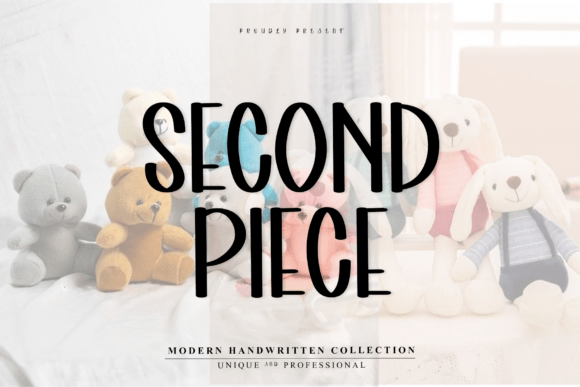
In a digital landscape dominated by sleek sans-serifs and rigid geometric typefaces, there is a growing hunger for something that feels human. This is where Second Piece steps in. It is not just another font file; it is a modern handwritten display typeface designed with bold, tall, and playful characters that radiate warmth and personality. For creators who need their work to stand out without shouting, this font offers a casual, slightly quirky stroke that strikes the perfect balance between stylish and friendly.
When you look at Second Piece, you see the imperfections that make handwriting so relatable. The strokes are confident yet loose, avoiding the sterile precision of machine-generated text. This unique blend of professionalism and charm brings a fresh, creative vibe to designs, making it an ideal choice for branding, logos, children's designs, packaging, social media graphics, and more. But understanding what makes a font "good" on paper is different from knowing how to apply it effectively in real-world scenarios. Let's explore how Second Piece can transform your projects across various industries and personal endeavors.
The Art of Approachable Branding
For small business owners and entrepreneurs, the first hurdle is often establishing a brand identity that feels authentic. Corporate fonts can sometimes create a barrier between the business and the customer, making the company feel distant or overly formal. Second Piece dismantles that barrier. Its handcrafted feel suggests that there is a real person behind the logo, someone who cares about the details and values connection over corporate rigidity.
Imagine a local coffee shop looking to refresh its signage. A standard serif might look too traditional, while a generic script could appear cheap. However, applying Second Piece to the shop's name creates an immediate sense of community and warmth. The boldness of the characters ensures legibility from a distance, while the playful quirks invite passersby to stop and engage. Similarly, freelance marketers designing a personal brand website can use this font for headlines to convey creativity and accessibility. It signals to potential clients that the freelancer is innovative yet easy to work with.
Where Quirky Strokes Meet Professionalism
One common misconception about handwritten fonts is that they lack professional weight. Second Piece challenges this notion by maintaining high legibility even in larger sizes. The tall structure of the letters prevents them from getting lost in a layout, ensuring that the message remains clear. This makes it suitable for headers in business presentations, particularly in industries like education, wellness, or lifestyle coaching, where a friendly tone is essential but credibility cannot be compromised.
Consider an educator creating course materials. Using a stark, academic font for every heading can make the content feel dry and intimidating. By switching key titles to Second Piece, the educator adds a layer of encouragement and approachability. It transforms a lecture slide into an invitation to learn. The font's unique character allows the content to breathe, making complex topics feel more manageable and engaging for students of all ages.
Packaging and Product Design: Standing Out on the Shelf
In the world of physical products, packaging is your silent salesperson. With shelves crowded with identical rectangular boxes and generic typography, capturing attention requires a visual hook. Second Piece serves as that hook. Its distinct style breaks the monotony of mass-produced goods, suggesting that the product inside is crafted with care and individuality.
Think about a boutique skincare line targeting young adults. The market is saturated with minimalist labels using thin, elegant scripts. To differentiate, a brand might choose Second Piece for the product name on the jar. The bold, tall letters pop against a matte finish, communicating confidence and fun. It tells the consumer that this isn't just another moisturizer; it's a treat, a moment of joy in their daily routine. The same logic applies to food packaging, such as artisanal cookies or craft sodas, where the font reinforces the idea of homemade quality and genuine ingredients.
Furthermore, the versatility of Second Piece extends to labeling and tags. Whether it's a custom thank-you note attached to a gift basket or a sticker on a handmade candle, the font adds a cohesive, handcrafted touch that elevates the perceived value of the item. It bridges the gap between industrial manufacturing and artisanal creation.
Digital Engagement: Social Media and Content Creation
Social media platforms thrive on visual variety. As a blogger or content creator, you know that scrolling fatigue is real. Users swipe past static images instantly unless something grabs their eye. Typography plays a massive role here. Second Piece is exceptionally well-suited for Instagram stories, YouTube thumbnails, and Pinterest pins because its playful nature aligns perfectly with the informal, fast-paced environment of social feeds.
When designing a quote graphic or a promotional announcement, using Second Piece for the main headline creates an emotional connection. It feels like a friend sharing advice rather than a corporation pushing a sale. For instance, a fitness coach posting workout tips can use the font for motivational phrases like "Keep Going" or "You Got This." The slight quirkiness in the strokes mimics the energy of a marker written on a whiteboard, evoking a sense of immediacy and action.
Moreover, the font's readability ensures that your message is understood quickly, which is crucial for mobile users. Unlike some decorative scripts that require squinting to decipher, Second Piece retains its clarity even when scaled down for story overlays. This practicality makes it a reliable tool for creators who need to communicate clearly while maintaining a distinctive visual style.
Practical Considerations Before You Download
While Second Piece offers immense creative potential, it is important to consider how it fits into your specific project before committing. Like any design tool, context is king. Here are a few realistic factors to weigh:
- Legibility Constraints: While highly legible as a display font, Second Piece is best reserved for headlines, logos, and short phrases. It may not be the best choice for long paragraphs of body text, where a simpler sans-serif or serif would ensure better reading flow.
- Audience Alignment: Ensure the playful tone matches your target demographic. While great for children's designs, lifestyle brands, and creative agencies, it might feel too informal for legal firms or medical reports requiring strict formality.
- Pairing Strategies: To maximize impact, pair Second Piece with a clean, neutral font for supporting text. This contrast allows the personality of the display font to shine without overwhelming the viewer.
- Licensing and Usage: Always verify the licensing terms if you plan to use the font for commercial purposes. Understanding whether the license covers web use, print, or merchandise is crucial for avoiding legal issues down the road.
Choosing the right font is about more than just aesthetics; it's about communication. Second Piece communicates warmth, creativity, and a human touch. Whether you are launching a new startup, designing a children's book, or simply trying to make your social media posts more engaging, this font provides the tools to express your unique voice. By understanding its strengths and limitations, you can harness its bold, tall, and playful character to create designs that not only look good but also resonate deeply with your audience.