Salty Beach: A Handwritten Display Font Full of Charm
In the crowded landscape of digital typography, finding a typeface that feels genuinely human is a rare victory. Salty Beach arrives as exactly that—a breath of fresh air for designers seeking to inject warmth and personality into their work. It is not merely a collection of characters; it is a visual experience that mimics the natural flow of a hand holding a pen, capturing the imperfect beauty of real calligraphy. This font bridges the gap between professional polish and casual friendliness, making it an ideal choice for projects that need to resonate on an emotional level.
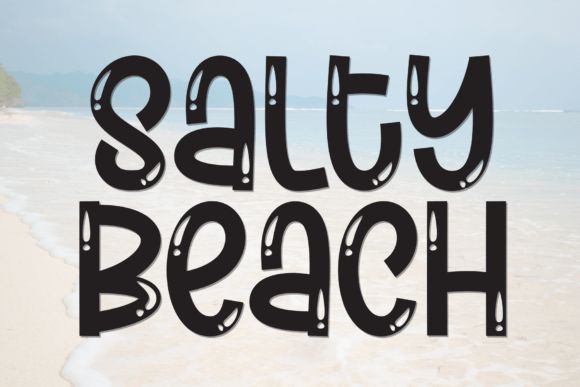
At its core, Salty Beach is a display font designed with a distinct handwritten aesthetic. Unlike rigid geometric sans serif fonts or traditional serif fonts that prioritize strict uniformity, this typeface embraces variation. The strokes fluctuate in weight, the terminals curve with organic grace, and the letterforms lean slightly, suggesting movement and energy. It exudes a sweet and affable vibe, reminiscent of a note left on a kitchen counter or a heartfelt message scrawled on a postcard from a seaside getaway. This inherent playfulness makes it a distinguished choice for calligraphy on wedding invitations, greeting cards, and any design blueprint that calls for a sprinkle of fun.
The Visual Personality of a Modern Script
When evaluating a new creative font, the first thing you notice is its mood. Salty Beach leans heavily into whimsy without sacrificing legibility. Its design features soft edges and rounded transitions that soften the overall impact of the text. In the world of modern typography, where minimalism often dominates, a script font like this provides a necessary counterbalance. It introduces texture and depth to layouts that might otherwise feel sterile or overly corporate.
The character of Salty Beach lies in its ability to suggest a story before a single word is read. It feels approachable and inviting, traits that are essential for building trust with an audience. Whether used for a small business logo or a personal blog header, the font communicates that there is a real person behind the brand. This human connection is crucial in marketing strategies today, where consumers crave authenticity over polished perfection. The font’s unique curves and fluid lines create a sense of rhythm, guiding the eye smoothly across headlines and short phrases.
Ideal Applications for Branding and Design
The versatility of Salty Beach extends far beyond simple decoration. While it shines brightest in contexts requiring elegance and charm, its utility spans various creative industries. For entrepreneurs and small business owners, this commercial font offers a powerful tool for brand identity. Imagine a boutique bakery using it for packaging design; the font immediately suggests homemade quality and artisanal care. Similarly, a lifestyle blogger could use it to highlight key takeaways in an article, breaking up dense blocks of text with a friendly, conversational tone.
- Wedding Stationery: From save-the-dates to seating charts, the font adds a romantic, personalized touch that mass-produced templates cannot replicate.
- Logo Design: Perfect for brands in the wellness, beauty, or food sectors that want to appear accessible and warm.
- Social Media Graphics: Use it for overlay text on Instagram stories or Pinterest pins to grab attention with a unique voice.
- Editorial Design: Ideal for chapter headings, pull quotes, or feature titles in magazines and zines focused on culture and lifestyle.
- Product Packaging: Enhances the unboxing experience by adding a layer of tactile, handwritten appeal to labels and tags.
In web design, Salty Beach works best as an accent element. Because script fonts can be challenging to read in long paragraphs, they should be reserved for headers, navigation highlights, or call-to-action buttons. When paired correctly, it creates a dynamic visual hierarchy that directs the user's focus effectively.
Mastering Readability and Visual Hierarchy
One of the most common pitfalls when working with a handwritten font is overuse. To maintain professionalism and ensure your message lands clearly, understanding readability is key. Salty Beach excels in short bursts of text but loses its impact when stretched across large bodies of copy. The varying stroke widths and ligatures, while beautiful, require adequate spacing and size to remain legible on all devices.
To leverage this font effectively, consider how it influences your visual hierarchy. A bold, playful headline in Salty Beach naturally draws the eye, establishing a clear entry point for the reader. However, the supporting text must provide contrast. This is where strategic font pairing becomes essential. By juxtaposing the fluid nature of this script against a clean, neutral sans serif font, you create a balanced composition that is both engaging and easy to digest. The contrast ensures that the whimsical twist of the display font doesn't overwhelm the informational content.
Furthermore, the color and background play a significant role. Because Salty Beach has intricate details, placing it against busy patterns or low-contrast backgrounds can make it difficult to read. Opt for solid colors or subtle gradients that allow the letterforms to stand out. This attention to detail enhances audience engagement by ensuring the viewer can effortlessly consume the content while appreciating the aesthetic.
Practical Guidance for Choosing and Using the Typeface
Before integrating Salty Beach into your next project, take time to evaluate if it truly fits your specific needs. Start by reviewing the included styles and weights. Does the kit offer enough variety for your intended application? Some premium font packages include alternate characters, swashes, or ligatures that add extra flair to logo design or decorative elements. These design assets can significantly elevate the final output, giving you more creative control.
Testing is another critical step. Download a trial version and mock up your actual project context. How does it look on a mobile screen versus a printed invitation? Sometimes a font that looks stunning on a high-resolution monitor may lose definition when scaled down for social media icons. Always check the kerning—the space between letters—as tight spacing can make a script font look cluttered, while too much space can break the flow of the handwriting style.
Licensing is also a non-negotiable aspect of professional design. Ensure you understand the terms of the commercial font license you are purchasing. Are you allowed to use it for client work? Can you embed it in a web app? Using a font without the proper license can lead to legal complications and damage your reputation. Reputable foundries usually offer clear licensing tiers, so choose the one that aligns with your scope of work.
Ultimately, Salty Beach is more than just a typographic choice; it is a design decision that shapes how your audience perceives your brand. By combining its inherent charm with thoughtful application, you can create designs that are not only visually striking but also emotionally resonant. Whether you are crafting a wedding invitation or launching a new product line, this font offers the perfect blend of character and clarity to bring your vision to life.