Lucky Beam: A Playful Font with Bold Design Characteristics
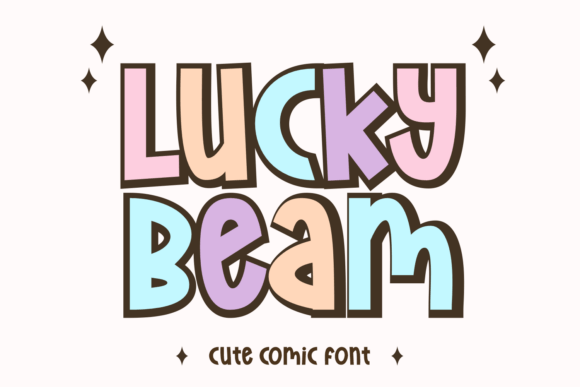
Lucky Beam stands out in the world of typography as a display font that balances whimsy and boldness. Unlike many standard fonts that aim for neutrality or minimalism, Lucky Beam leans into its cartoon-inspired origins, offering a vibrant and expressive presence. Its rounded, bulbous outlines give it a softness often associated with childhood playfulness, yet its structure maintains enough strength to hold its own in more dynamic design contexts.
At its core, Lucky Beam is a handcrafted typeface that thrives in environments where visual charm and personality are key. Its aesthetic draws from pastel-colored bubbles and nursery themes, making it ideal for projects that require a sense of lightheartedness. However, unlike many fonts that lean solely into sweetness, Lucky Beam introduces a subtle edginess through its weight and structure, aligning it closer to comic-style design than purely juvenile typography.
How Lucky Beam Fits Within the Display Font Category
As a display font, Lucky Beam is designed to catch attention rather than blend into the background. It belongs to a category of fonts typically used for headlines, logos, and visual accents rather than body text. This makes it well-suited for branding elements, promotional materials, and digital illustrations where a strong visual identity is desired.
Compared to other display fonts, Lucky Beam differentiates itself through its kawaii-inspired curves and weight distribution. While many display fonts emphasize sharpness or angularity to create impact, Lucky Beam opts for softness and roundness, making it feel approachable and warm. This characteristic makes it a strong contender for brands targeting younger audiences or those aiming to convey a sense of creativity and fun.
Comparing Lucky Beam with Similar Typographic Styles
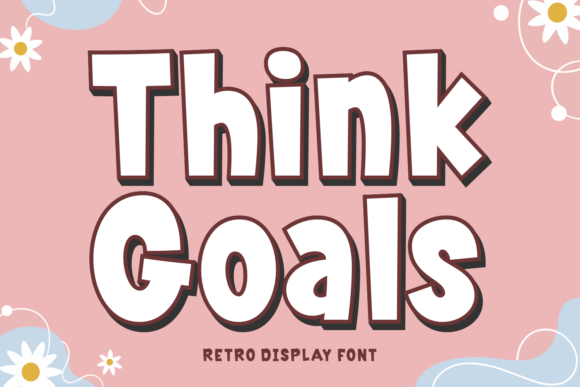
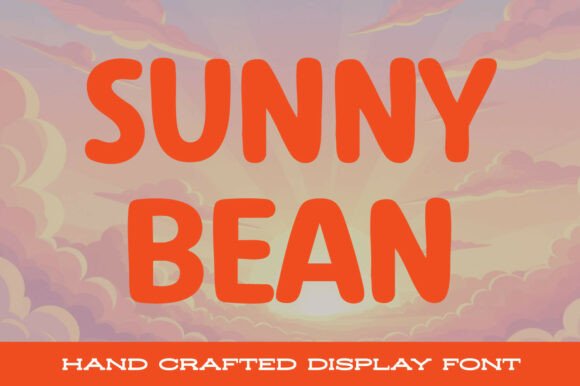
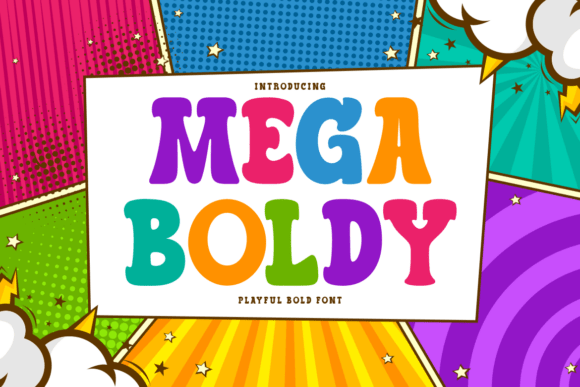
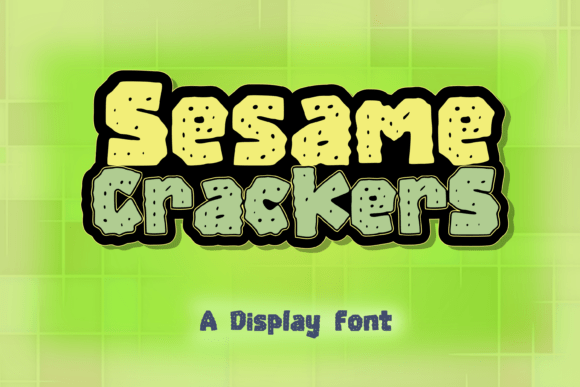
When evaluating fonts similar to Lucky Beam, it's useful to consider both visual style and intended use. Many playful, rounded fonts exist, but they often fall into two camps: ultra-sweet, pastel-toned typefaces designed for children's materials, and bolder, more stylized fonts meant for branding and packaging. Lucky Beam sits somewhere in the middle, offering a versatile middle ground.
For example, some alternatives may prioritize extreme softness, making them ideal for baby products or educational content but less effective for broader branding purposes. Others may take a more exaggerated comic-book approach, leaning into thick outlines and dramatic spacing that can feel overwhelming in smaller applications. Lucky Beam strikes a balance, maintaining readability while still offering a strong personality.
Strengths and Practical Applications of Lucky Beam
One of Lucky Beam’s most notable strengths lies in its adaptability within creative design projects. It performs particularly well in branding, logo design, and illustration-heavy layouts where a sense of movement and energy is important. Its rounded forms and bold weight make it easily legible at a glance, which is essential for signage, packaging, and digital banners.
Designers who work with children’s books, animated content, or lifestyle brands centered around joy and creativity often find Lucky Beam to be a reliable choice. Its cartoon-inspired roots lend themselves naturally to visual storytelling, making it a good match for character-driven design. Additionally, its handcrafted feel gives it a unique texture that sets it apart from more digitally uniform fonts.
Tradeoffs and Considerations When Using Lucky Beam
Despite its charm and versatility, Lucky Beam is not a one-size-fits-all solution. Its playful nature means it may not be the best fit for formal or professional contexts. In industries like finance, law, or corporate communications, where clarity and seriousness are prioritized, Lucky Beam may come across as too casual or even unprofessional.
Additionally, because of its rounded and slightly exaggerated forms, Lucky Beam can take up more visual space than more condensed or minimalist fonts. This can be a consideration when designing for limited space, such as mobile interfaces or small print ads. In such cases, designers may need to adjust layout structures or consider alternate fonts that offer similar charm with a tighter footprint.
When Lucky Beam Is the Right Choice
Lucky Beam shines in design scenarios where personality and visual appeal are key. It works especially well in the following contexts:
- Branding for children’s products, toys, or educational materials
- Logo design for lifestyle, wellness, or creative brands
- Illustration and animation projects with a hand-drawn aesthetic
- Packaging design for confectionery, beverage, or novelty items
- Digital content such as social media graphics and web banners
Its ability to convey both warmth and boldness makes it a flexible option for designers who want to inject a sense of fun without sacrificing visual strength. When used appropriately, Lucky Beam can help establish a memorable and engaging brand presence.
When Another Font Might Be More Appropriate
While Lucky Beam brings a distinctive style to the table, there are situations where its aesthetic may not align with the intended message or audience. In more formal or serious design contexts, opting for a cleaner, more restrained font can enhance credibility and professionalism.
For example, in corporate presentations, academic publishing, or technical documentation, fonts with a more neutral or structured appearance often serve better. Similarly, when designing for audiences that may perceive cartoonish or playful styles as unserious, a more conventional typeface may be the better choice.
Designers should also consider the broader typographic ecosystem when selecting Lucky Beam. If a project already includes a variety of stylized fonts, adding another expressive typeface could lead to visual clutter. In such cases, balancing Lucky Beam with simpler fonts or choosing a more subdued alternative altogether may be the more effective route.
Making an Informed Design Decision
Choosing the right font involves more than just aesthetics—it requires understanding the audience, context, and overall design goals. Lucky Beam offers a compelling blend of playfulness and strength, making it a standout option for projects that benefit from a sense of charm and creativity.
However, like any design element, it should be evaluated within the broader framework of a project’s needs. By comparing Lucky Beam with other available fonts, considering its strengths and limitations, and aligning its characteristics with the intended message, designers can make a more thoughtful and effective typographic choice.
Whether used for branding, illustration, or digital content, Lucky Beam brings a distinct personality to the table. When applied with intention and awareness of its visual impact, it can elevate a design from ordinary to memorable.