Bringing Holiday Nostalgia to Life: The Art and Utility of the Merry Letters Font
In the world of graphic design, typography is more than just a method of displaying text; it is the visual voice that sets the tone for any message. When the holiday season approaches, designers and creators alike search for typefaces that can instantly evoke feelings of warmth, tradition, and joy. Enter Merry Letters, a festive vintage-style font packed with holiday nostalgia and retro charm. This unique typeface bridges the gap between classic Western aesthetics and modern digital creativity, offering a solution for those who want their designs to feel authentic and timeless.
Whether you are a seasoned professional looking to elevate your seasonal marketing or a hobbyist crafting handmade gift tags, understanding the nuances of fonts like Merry Letters can transform a simple project into a memorable experience. This article explores the characteristics, applications, and emotional impact of this distinctive display font, guiding you on how to integrate its whimsical spirit into your creative workflow.
The Aesthetic Appeal of Vintage Typography
To truly appreciate Merry Letters, one must first understand the broader context of vintage typography in modern design. In an era dominated by sleek, minimalist sans-serifs, there is a growing appreciation for textures, imperfections, and historical styles. Vintage fonts carry a sense of history; they remind us of old newspaper headlines, rustic farm signs, and hand-lettered Christmas cards from decades past.
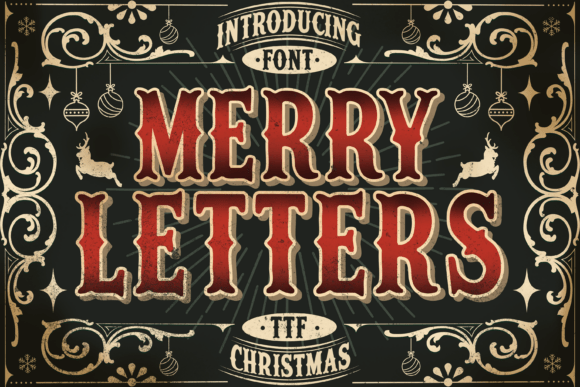
Merry Letters captures this essence perfectly. Its design is rooted in the classic Western feel, characterized by bold serifs and ornamental outlines. These elements are not merely decorative; they serve a functional purpose in establishing hierarchy and drawing the eye. The bold serifs provide stability and weight, making the text legible even at larger sizes, while the ornamental outlines add a layer of complexity that invites closer inspection.
What sets Merry Letters apart from standard vintage fonts is its specific focus on the holiday spirit. It does not just look old; it looks like a cherished memory. The textured details incorporated into the glyphs add warmth and authenticity, mimicking the look of ink on rough paper or woodblock printing. This texture is crucial for print designs that celebrate joy and tradition, as it prevents the digital appearance from feeling too sterile or cold.
Key Design Elements That Define the Style
- Bold Serifs: These create a strong structural foundation, ensuring the font remains readable and impactful in titles and headers.
- Ornamental Outlines: Double lines or decorative borders around the letters enhance the retro vibe and add visual interest without overwhelming the content.
- Textured Details: Subtle grain and wear effects simulate age, giving the font a tactile quality that resonates with viewers seeking authenticity.
- Classic Western Influence: The letterforms borrow from frontier signage, evoking a sense of rugged charm and community gathering.
Practical Applications in Modern Creative Work
The versatility of Merry Letters extends far beyond a single use case. While its primary association is with the Christmas season, its underlying style makes it suitable for a wide range of projects where a cozy, nostalgic, or celebratory tone is required. For designers, having a tool that can deliver a strong vintage presence while keeping an inviting, whimsical tone is invaluable.
Seasonal Marketing and Branding
For businesses, the holidays represent a critical period for engagement. Brands often struggle to differentiate themselves during this crowded time. Using a distinct font like Merry Letters can help cut through the noise. Imagine a coffee shop launching a limited-edition winter blend; packaging labeled with this font immediately suggests warmth, comfort, and tradition. It signals to the consumer that the product is crafted with care and heritage in mind.
This font is ideal for festive branding packaging, where the goal is to make the unboxing experience feel like opening a present. It works exceptionally well on labels, boxes, and stickers, turning ordinary products into collectible items. Furthermore, for social media campaigns, using Merry Letters in graphics for quotes, posters, and signage ensures that the brand's voice remains consistent and emotionally resonant throughout the season.
Personal Projects and DIY Crafts
For the individual creator, Merry Letters opens up a world of possibilities for personal expression. It is perfect for creating Christmas cards that stand out from store-bought options. By pairing the font with watercolor backgrounds or kraft paper textures, you can achieve a look that feels deeply personal and artisanal.
Consider the following practical uses for home and hobbyists:
- Gift Tags: Create custom tags that tell a story. The font's size and clarity make it easy to read names and short messages, adding a professional touch to handmade gifts.
- Planners and Printables: Incorporate the font into sticker sheets, calendar covers, or daily planners to bring a festive theme to organization tools.
- Home Decor: Use the font to design farmhouse signs, window clings, or wall art. The retro-inspired aesthetic fits seamlessly into various interior design styles, from rustic to modern eclectic.
- Greeting Cards: Beyond Christmas, the font's joyful character works for New Year's resolutions, winter birthdays, or general "Happy Holidays" wishes.
Navigating Common Misunderstandings About Display Fonts
When working with highly stylized fonts like Merry Letters, beginners often encounter certain challenges or hold misconceptions about their usage. Clarifying these points can help maximize the effectiveness of the typeface in any project.
Misconception 1: "It's Only for Headlines"
A common assumption is that display fonts with heavy ornamentation should only be used for large titles. While Merry Letters is indeed designed as a display font meant for eye-catching titles, it can be used effectively in short body copy if the spacing and size are managed correctly. However, due to its intricate details, it is generally best reserved for headlines, pull quotes, and short phrases where readability is not compromised by small point sizes.
Misconception 2: "Vintage Means Hard to Read"
Another concern is that retro styles sacrifice legibility for style. Merry Letters counters this by maintaining clear letter structures despite its decorative nature. The bold weight ensures that the characters remain distinct, even when printed on textured paper or viewed on mobile screens. The key is to pair it with a clean, neutral sans-serif for longer paragraphs, allowing the Merry Letters to shine as the focal point without causing visual fatigue.
Misconception 3: "It Looks Dated"
Some designers fear that using vintage fonts will make their work look outdated. However, the current design trend leans heavily towards "retro-futurism" and nostalgia. When used correctly, Merry Letters feels fresh and trendy because it taps into a collective desire for authenticity. It is not about copying the past exactly but reinterpreting it for a modern audience. The font captures the heart of holiday storytelling with every glyph, making it relevant for contemporary audiences who value tradition.
Integrating Merry Letters into Your Workflow
Successfully utilizing Merry Letters requires a thoughtful approach to layout and color. Because the font has so much character, it demands space to breathe. Avoid overcrowding the text with other graphical elements. Instead, let the font's ornamental outlines and textures do the heavy lifting.
Color palette selection is also vital. To enhance the vintage feel, consider using muted tones like deep forest greens, burgundies, warm golds, and creamy whites. These colors complement the textured details of the font, reinforcing the cozy atmosphere. Conversely, high-contrast combinations like black and white can highlight the bold serifs and give the design a striking, poster-like quality.
Furthermore, when designing for digital platforms, ensure that the file format supports the font's transparency and texture layers. If you are creating assets for web use, optimize the images to maintain the integrity of the fine details without slowing down load times. For print, always check the resolution to ensure the texture doesn't appear pixelated when scaled up for posters or packaging.
Conclusion: Capturing the Spirit of the Season
In conclusion, Merry Letters is more than just a collection of characters; it is a tool for storytelling. Its bold serifs, ornamental outlines, and classic Western feel make it a perfect choice for anyone looking to infuse their work with holiday nostalgia and retro charm. From Christmas cards and winter decor to retro vintage graphics and festive branding packaging, this font offers a versatile solution for diverse creative needs.
By understanding its design principles and practical applications, you can leverage Merry Letters to bring joyful character and classic charm to your work. Whether you are designing a commercial campaign or a personal keepsake, this font helps you connect with your audience on an emotional level, celebrating the traditions and joys that define the season. As you embark on your next creative project, remember that the right typography can turn a simple message into a lasting memory, capturing the true heart of holiday storytelling.